Gwanak District Unveils Four-Year Blueprint for 9th Popularly Elected Administration...6 Goals, 58 Tasks
Startups, Healing Gardens and Youth: Three Key Priorities; Final Plan to Be Confirmed by Year-End
Seoul’s Gwanak District, led by District Mayor Park Junhee, has unveiled a blueprint for district administration that sets out implementation goals and timelines for 6 goals and 58 tasks to be pursued over the four years of its 9th popularly elected administration. Key priorities include expanding the venture and startup ecosystem, creating leisure spaces around Gwanaksan Mountain, and introducing a youth participatory budgeting system.

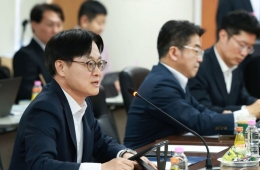
Gwanak District Mayor Park Junhee speaks at a briefing on the draft four-year plan for the district administration’s ninth popularly elected term, held on the 17th. Provided by Gwanak-gu.
View original imageThe district announced on November 19 that it had held a briefing on the draft four-year plan for the 9th popularly elected administration on November 17, attended by senior officials, including heads of all departments and neighborhood offices.
The draft plan was based on a pledge implementation plan prepared by the Policy Planning Group in July. The district received 51 proposals at subcommittee meetings of its Policy Advisory Group in August and gathered residents’ feedback in September and October to review the implementation schedules for each pledge and the feasibility of securing funding.
In the economic sector, the district is advancing its “Gwanak S Valley 3.0” initiative, which includes establishing Seoul Startup Hub Gwanak and seeking designation as a Special Development Promotion District. It will expand spaces serving as hubs for ventures and startups, while strengthening small businesses by highlighting the distinctive characteristics of each neighborhood commercial district.
The “Gwanaksan Sky Forest Trail Project” and “Gwanaksan Natural Recreation Forest” will be developed in stages. The district plans to introduce a “Youth Participatory Budgeting System,” through which young people can take part directly in policy decisions, and gradually increase its budget.
The district will support redevelopment and reconstruction projects through a rapid support team for renewal projects and meetings to expedite project progress. It will also work to ease parking shortages by expanding public parking lots and increasing the opening and sharing of privately owned parking facilities. The plan includes tailored support for each of the 21 neighborhoods to prevent social isolation among single-person households, as well as measures to strengthen “Gwanak 365 Integrated Care” and reduce gaps in care services.
The district will revise the plan to reflect feedback from the briefing. After full meetings of the Policy Advisory Group and the Innovation and Cooperation Committee in December, it plans to finalize and release the plan by the end of the year. The district recorded a 99.8% pledge fulfillment rate during its 8th popularly elected administration and received the highest grade, SA, for three consecutive years in the “Nationwide Evaluation of Pledge Fulfillment and Information Disclosure by Heads of Local Governments.”
Hot Picks Today
 "Two Spend 500,000 Won in a Flash, Yet Wait Two Hours?" ... 'Dreamland' Shunned by Kids and Foreign Tourists
- The Era of Getting 200 Million Won After 30 Years Is Over... A Japanese Bank's "Perpetual Department Head" Who Just Clocked In Cries Out
- Spain Hit by Its Worst Tragedy... Lee Kangin, Moreno and Real Madrid Join Soccer World in Mourning
- They Said, “Make It Your Home for Life” - Then Suddenly Kicked 200 Passengers Off... What Happened to the Around-the-World Cruise?
- "130 Rice Bowls Sold Out in a Day"... 'Unfiltered Face' Adds 8 Million Won to Night Market Sales: China's Bungeunwoo
District Mayor Park Junhee said, “The four-year district administration plan is a blueprint for running the district and fulfilling our promises to residents. We will carry out our pledge projects without a hitch and bring about tangible changes that residents can feel in their daily lives.”
© The Asia Business Daily. All rights reserved. Unauthorized AI training and use prohibited.