Basic Pension "Freeze Controversy" Prompts KRW 100.9 Billion Budget Increase; KRW 27,270 to Be Paid Retroactively
Retroactive Payments to 5.16 Million People in the Bottom 45% by Income
National Assembly Committee Experts Also Call for “Fundamental Reform”
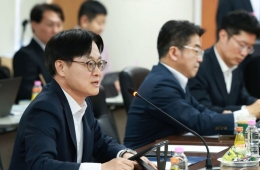
The National Assembly Health and Welfare Committee has passed an increase to the preliminary review of next year’s budget bill, providing for the retroactive payment of first-quarter inflation adjustments that basic pension recipients nearly missed. The measure fills the three-month gap from January resulting from the new system of differential basic pension payments, which will take effect next April.

According to the “Results of the Preliminary Review of the Ministry of Health and Welfare’s Expenditure Budget Bill,” recently approved by the committee, the basic pension program budget was revised and approved at KRW 25.7539 trillion, an increase of KRW 100.9 billion from the government’s proposal. It will be finalized after review by the Special Committee on Budget and Accounts and a vote in the plenary session. The additional budget will be allocated to approximately 5,168,000 eligible recipients whose recognized income is in the bottom 45%. They are expected to receive retroactively, after April, a monthly increase of KRW 9,090 based on the national consumer price index change for the period from January 1 to March 31 next year. In total, they will receive KRW 27,270 for the three months.
Earlier, the Ministry of Health and Welfare drew up a reform plan to introduce three tiers of basic pension payments based on income levels, starting April 1 next year. Under the plan, the basic pension amount for Tier 1, consisting of those in the bottom 30% by income, will rise to KRW 380,000, while the amount for Tier 2, covering those between the bottom 30% and 45%, will increase slightly to KRW 358,790. By contrast, the amount for Tier 3, covering those between the bottom 45% and 70%, will remain unchanged at KRW 349,700.
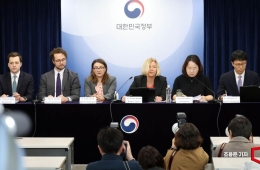
The problem arose because, until the new system takes effect in April, the first-quarter basic pension payments for eligible recipients in the bottom 45% were set to remain at the 2026 basic pension amount of KRW 349,700. The annual practice of raising the basic pension each January to reflect inflation was postponed for three months because of the reform, prompting growing concerns that the real income of older people in vulnerable groups could decline. After the “freeze controversy” surfaced during events including the parliamentary audit, Health and Welfare Minister Jeong Eun-kyeong moved to address the issue, saying, “We will ensure that the inflation-linked increase in the basic pension is paid retroactively to older people in the bottom 45% by income.” President Lee Jae-myung said, “Even if this is an exceptional measure, there is no reason to avoid it if it is consistent with substantive fairness.”
Hot Picks Today
 "Two Spend 500,000 Won in a Flash, Yet Wait Two Hours?" ... 'Dreamland' Shunned by Kids and Foreign Tourists
- The Era of Getting 200 Million Won After 30 Years Is Over... A Japanese Bank's "Perpetual Department Head" Who Just Clocked In Cries Out
- Spain Hit by Its Worst Tragedy... Lee Kangin, Moreno and Real Madrid Join Soccer World in Mourning
- They Said, “Make It Your Home for Life” - Then Suddenly Kicked 200 Passengers Off... What Happened to the Around-the-World Cruise?
- "130 Rice Bowls Sold Out in a Day"... 'Unfiltered Face' Adds 8 Million Won to Night Market Sales: China's Bungeunwoo
Meanwhile, in its review report on the Ministry of Health and Welfare’s budget proposal, the committee’s expert staff noted, “Given the trend of growth in the elderly population, concerns have been raised that the financial burden will grow if the current eligibility criteria, under which basic pension recipients account for around 70% of people aged 65 and older, remain in place.” It added, “There is a need to discuss a comprehensive reform plan from a medium- to long-term perspective that can achieve policy goals such as ensuring fiscal soundness and improving the welfare of older people.”
© The Asia Business Daily. All rights reserved. Unauthorized AI training and use prohibited.