Seoul Council Begins Questioning Mayor Oh Sehoon, Vows Close Scrutiny of Hangang Bus
Three days of questioning on Seoul city administration begin Nov. 17
Hangang Bus to be key issue, alongside Sewoon and housing supply
Democratic Party's overwhelming majority to scrutinize related allegations
People Power Party: "Audit should be productive for the people's livelihoods"
The 12th Seoul Metropolitan Council, where the Democratic Party holds two-thirds of the seats, will begin three days of questioning Seoul Mayor Oh Se-hoon on Nov. 17. The session will review the Seoul administration as a whole, including the mayor’s policy initiatives, and could affect deliberations on the city’s budget proposal. Democratic Party lawmakers, who hold an overwhelming majority, have said they will scrutinize allegations related to the Hangang Bus project.
According to the Seoul Metropolitan Government on Nov. 17, the council will question the mayor about city administration from that day through Nov. 19. The session follows an administrative audit conducted by the council from Nov. 3 to 16 and is expected to examine how major city projects have been carried out, the effects of policies, and whether budget spending has been appropriate.

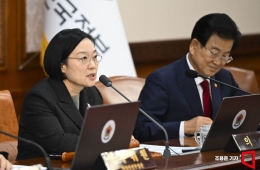
Seoul Mayor Oh Se-hoon delivers a policy address on the 2027 budget proposal and fund management plan at the Seoul Metropolitan Council. Yonhap News
View original imageThe Democratic Party currently holds 80 of the council’s 118 seats. Its lawmakers have been targeting Mayor Oh since the June 3 local elections, and are likely to clash with him during this round of questioning as well.
The Hangang Bus project, a key initiative of Mayor Oh, is expected to be a major point of contention. During the recent administrative audit, Democratic Party lawmakers raised questions about alleged kickbacks and the project’s commercial viability. They are expected to press Mayor Oh on the facts surrounding the allegations, the appropriateness of the project’s development process, and the justification for public spending.
The financial health of Seoul Housing & Communities Corporation (SH), which invested in the Hangang Bus project, will also come under scrutiny. Democratic Party lawmakers argue that SH, the project’s largest shareholder, has invested a substantial amount, yet its financial health is in question, with provisions for bad debts and unpaid interest. Some lawmakers plan to scrutinize each stage of the project, including the selection and contracting of shipbuilders, expenditure of project funds, construction of piers, and selection of tenant businesses.
The Seoul Metropolitan Government, meanwhile, maintains that most of the allegations have already been addressed through the recent parliamentary audit and other reviews. It said an audit by the Board of Audit and Inspection found no illegality or impropriety in the selection of shipbuilders, and that an objective investigation would establish the facts regarding the alleged kickbacks.
Controversy surrounding the Sewoon District development project is also expected to be a key issue. The Korea Heritage Service has called for a World Heritage Impact Assessment and other reviews, saying the project’s impact on the landscape of Jongmyo, a World Heritage site, must be examined. The project has also faced a setback recently, as the National Heritage Committee repeatedly postponed its review of plans to preserve buried heritage in Sewoon 4 District. Lawmakers are expected to question the project’s justification and public benefit.
Housing supply and balanced urban development are also expected to be key agenda items. The city is pursuing an expansion of housing supply through initiatives such as the Rapid Integrated Planning program and Moa Town. Democratic Party lawmakers, however, say the city’s progress needs to be scrutinized, including how quickly projects lead to construction and move-ins, and whether they improve housing stability.
The questioning is also drawing attention because it is taking place ahead of deliberations on Seoul’s 2027 budget proposal. The city’s proposed budget for next year totals 55.7445 trillion won, up 8.3% from this year. The effects of funding for key policies, including youth support, housing stability, and expanded welfare, are expected to be central issues during the budget review.
Hot Picks Today
 "Two Spend 500,000 Won in a Flash, Yet Wait Two Hours?" ... 'Dreamland' Shunned by Kids and Foreign Tourists
- The Era of Getting 200 Million Won After 30 Years Is Over... A Japanese Bank's "Perpetual Department Head" Who Just Clocked In Cries Out
- Spain Hit by Its Worst Tragedy... Lee Kangin, Moreno and Real Madrid Join Soccer World in Mourning
- They Said, “Make It Your Home for Life” - Then Suddenly Kicked 200 Passengers Off... What Happened to the Around-the-World Cruise?
- "130 Rice Bowls Sold Out in a Day"... 'Unfiltered Face' Adds 8 Million Won to Night Market Sales: China's Bungeunwoo
People Power Party members of the council have called for “a productive audit for the people’s livelihoods.” In a statement on Nov. 16, the party said, “What the Democratic Party showed in this audit was nothing but a focus on political attacks targeting Seoul Mayor Oh Se-hoon’s key initiatives, rather than a productive audit for the people’s livelihoods.” It added, “Citizens did not give the party permission to obstruct city administration and block the future.”
© The Asia Business Daily. All rights reserved. Unauthorized AI training and use prohibited.