Korea Certified Measles-Free for 13th Consecutive Year... "Excellent Response Capabilities"
WHO recognizes measles elimination status, with no sustained domestic transmission
No endemic transmission despite 86 cases linked to overseas importations
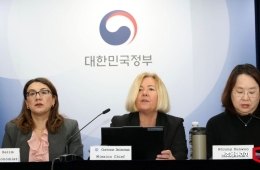
The Korea Disease Control and Prevention Agency (KDCA) announced on the 17th that the World Health Organization (WHO) has certified Korea as a measles-free country for 13 consecutive years since 2014.
The WHO Regional Office for the Western Pacific (WPRO) held a Regional Verification Commission for Measles Elimination in Jakarta, Indonesia, from September 7 to 11 (local time) and assessed the level of disease control in countries across the region. Following the assessment, it recognized last month that the Republic of Korea had maintained its measles-free status. Measles elimination means that even when cases are imported from abroad, the measles virus does not become established or continue to spread within the country.

During the assessment period, from 2025 through the first half of 2026, 86 measles cases were reported in Korea, all linked to overseas importations, with no domestic-origin cases. Of these, 61 people were infected abroad, while 25 were infected through transmission from people who had contracted measles overseas.
The WHO recognized the South Korean government's success in maintaining consistently high vaccination rates and rated highly the response capabilities of medical professionals and public health authorities, who have promptly provided isolation and treatment and identified transmission routes. Korea also met the indicators set by the WHO, including those for pathogen surveillance, and was recognized as having eliminated measles, with no endemic measles virus.
Measles is currently spreading worldwide, including in the Americas, Europe, the Middle East, Africa, Southeast Asia, and the Western Pacific. The situation calls for caution, particularly because the affected areas include Southeast Asia and the Americas, which are frequently visited by Korean nationals.
The government monitors outbreaks overseas, including through the WHO and the European Centre for Disease Prevention and Control (ECDC), and conducts domestic risk assessments. It has designated 107 countries as measles quarantine management areas and requires travelers arriving from those areas to report their health status using Q-CODE (or a health declaration form) if they have suspected symptoms.
Hot Picks Today
 "Two Spend 500,000 Won in a Flash, Yet Wait Two Hours?" ... 'Dreamland' Shunned by Kids and Foreign Tourists
- The Era of Getting 200 Million Won After 30 Years Is Over... A Japanese Bank's "Perpetual Department Head" Who Just Clocked In Cries Out
- Spain Hit by Its Worst Tragedy... Lee Kangin, Moreno and Real Madrid Join Soccer World in Mourning
- They Said, “Make It Your Home for Life” - Then Suddenly Kicked 200 Passengers Off... What Happened to the Around-the-World Cruise?
- "130 Rice Bowls Sold Out in a Day"... 'Unfiltered Face' Adds 8 Million Won to Night Market Sales: China's Bungeunwoo
Lim Seung-kwan, Commissioner of the Korea Disease Control and Prevention Agency, said, "We will continue to do our utmost to maintain the country's measles-free status by working with the public to sustain immunity through vaccination and strengthening surveillance and response to cases imported from abroad."
© The Asia Business Daily. All rights reserved. Unauthorized AI training and use prohibited.