Mayor Lee Sang-il: “Yongin to Become a Key Hub for Semiconductor Leadership, Establish Railway Fund of Up to KRW 1 Trillion by 2030”
Yongin Mayor Lee Sangil Appears on YTN Radio, Outlines Progress
Detour Roads for Construction Vehicles and 60,000-Pyeong Parking Lot Planned
"Traffic Measures Around Semiconductor Complex to Be Announced in January"
Urges Transport Ministry to Include Three Key Railway Routes
Mayor Lee: "SK hynix to Pay KRW 70 Billion in Taxes Next Year Alone"
Lee Sang-il, mayor of Yongin Special City in Gyeonggi Province, appeared on YTN Radio's "Wise Radio Life" on November 16 and outlined the progress of the mega-scale semiconductor cluster project and plans to establish a KRW 1 trillion railway fund to expand transportation infrastructure.

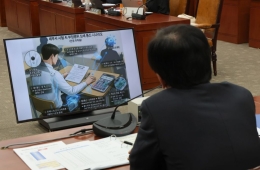
Yongin Special City Mayor Lee Sangil appeared on YTN Radio on the 16th, explaining the progress of Yongin's mega-scale semiconductor project and the importance of building rail-based infrastructure. Photo provided by Yongin City.
View original imageDuring the broadcast, Mayor Lee said, "Construction began on October 28 on the Yongin Advanced System Semiconductor Cluster National Industrial Complex in Idong and Namsa-eup, Cheoin-gu, and half of the first production line (fab) at the Yongin Semiconductor Cluster General Industrial Complex in Wonsam-myeon will be completed in 2027." He added, "Once the future research complex at the Giheung campus is also completed, Yongin will have the world's largest semiconductor ecosystem within a single city." He said the influx of materials, components, equipment, and design companies would make Yongin a key hub for maintaining the global semiconductor industry's technological lead.
Yongin City has begun preparing measures to minimize disruption to residents as construction gets underway in earnest. In addition to building detour roads for construction vehicles and assigning traffic controllers, the city plans to use a 60,000-pyeong site near the national industrial complex to create worker parking and secure accommodations. Mayor Lee said the city would consult with the Korea Land and Housing Corporation (LH), Samsung Electronics, and the Yongin Dongbu Police Station and announce a final implementation plan in January 2027.
He also emphasized the city's commitment to building a metropolitan rail network in preparation for a population of 1.5 million.
On November 13, Mayor Lee met with Hong Jiseon, Minister of Land, Infrastructure and Transport, and delivered a proposal asking that three projects be included in the Fifth National Railway Network Development Plan: a new Gyeonggi Southern Metropolitan Railway, an extension of the Gyeonggang Line linked to the Central Region Metropolitan Express Railway (JTX), and a new Gyeonggi Southern East-West Crossing Line (Semiconductor Line). The proposal also included the Bundang Line extension project to Giheung Station, which was included in the fourth plan.
The Gyeonggi Southern Metropolitan Railway would run 50.7 kilometers from Jamsil Sports Complex in Seoul through Pangyo in Seongnam, Sinbong-dong and Seongbok-dong in Yongin, and Gwanggyo in Suwon, to Bongdam in Hwaseong. Mayor Lee said the line had a benefit-cost ratio (B/C) of 1.2, while the Gyeonggang Line extension had a ratio of 0.92. He said that if the Gyeonggang Line ran north to south through Cheoin-gu, it would also improve the feasibility of the Central Region Metropolitan Express Railway (JTX), which would connect Jamsil and Cheongju Airport. The proposed Semiconductor Line would run from Jeongok Port in Hwaseong through Dongtan and the two semiconductor industrial complexes in Yongin to Bubal in Icheon.
As a way to secure funding, Mayor Lee proposed establishing a railway fund. He said, "With the semiconductor boom, SK hynix's corporate local income tax is expected to surge from around KRW 1.4 billion this year to KRW 70 billion in 2027, expanding tax revenue." He added, "Rather than spending tax revenue without a plan, we will set aside a separate railway fund of KRW 500 billion to KRW 1 trillion by 2030 to prepare for an economic downturn and invest in transportation infrastructure."

Yongin Special City Mayor Lee Sangil appeared on YTN Radio on the 16th to discuss the progress of Yongin’s mega semiconductor project and the importance of developing infrastructure for railway lines. Photo courtesy of Yongin City.
View original imageMayor Lee also highlighted progress in expanding educational infrastructure to develop future talent. Yongin Semiconductor High School, which will open in March 2027, drew the highest interest among semiconductor high schools nationwide, with 134 applicants per available place and an admission competition ratio of 4.84 to 1. He said the city plans to convert the school into a Meister high school in 2028, with departments covering the eight semiconductor manufacturing processes and semiconductor equipment, where students will learn equipment maintenance and automated control, among other subjects.
Hot Picks Today
 "Two Spend 500,000 Won in a Flash, Yet Wait Two Hours?" ... 'Dreamland' Shunned by Kids and Foreign Tourists
- The Era of Getting 200 Million Won After 30 Years Is Over... A Japanese Bank's "Perpetual Department Head" Who Just Clocked In Cries Out
- Spain Hit by Its Worst Tragedy... Lee Kangin, Moreno and Real Madrid Join Soccer World in Mourning
- They Said, “Make It Your Home for Life” - Then Suddenly Kicked 200 Passengers Off... What Happened to the Around-the-World Cruise?
- "130 Rice Bowls Sold Out in a Day"... 'Unfiltered Face' Adds 8 Million Won to Night Market Sales: China's Bungeunwoo
During the broadcast, Mayor Lee also shared his position on the Semiconductor Special Act, with exemptions to the 52-hour workweek being a key point of contention. He said he had presented honorary citizenship certificates to Everland pandas Rui Bao and Hui Bao, who are scheduled to return to China on December 15, and a baby resident registration card to the baby panda Shu Bao. He also said he planned to attend their farewell event.
© The Asia Business Daily. All rights reserved. Unauthorized AI training and use prohibited.