Key Figures in Early Gospel Spread in Gyeongnam Revisited... 2026 Christian Culture Seminar Concludes Successfully
Co-hosted by the Gyeongnam Christian Cultural Center and the Busan-Gyeongnam Christian History Research Association
Baekseok University Endowed Chair Professor Lee Sanggyu Sheds Light on Their Historical Legacies
An academic seminar looking back at the activities of key figures who contributed to the spread of early Christianity and the development of education and culture in Gyeongnam was held in Miryang, Gyeongnam.
The 2026 Christian Culture Seminar, co-hosted by the Gyeongnam Christian Cultural Center and the Busan-Gyeongnam Christian History Research Association, was held successfully at Miryang Masan Church on the morning of November 14, with around 100 people in attendance.

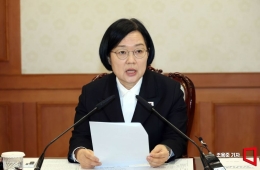
Lee Sanggyu, an endowed professor at Baekseok University, is delivering a presentation on the topic.
View original imageThe seminar was organized to examine the activities of figures who played important roles in the establishment and spread of early Christianity in Gyeongnam and to reflect on the historical significance of their contributions to local communities and the development of education and culture.
Lee Sanggyu, an endowed chair professor at Baekseok University, delivered the keynote presentation, introducing the evangelistic and social activities of four figures who left their mark on Christian history in Gyeongnam: Elder Lee Seung-kyou, Park Seongae, Pastor Ju Namseon, and Deacon Lee Illae.
Professor Lee first shed light on Elder Lee Seung-kyou's efforts to spread the Gospel in the Masan area around 1910, including his contributions to establishing the foundations for Christian education by founding Munchang Church and setting up a reading school that preceded Changsin School.
The seminar also introduced Park Seongae, who served as a lay evangelist before studying theology. After settling in Jinju, she worked with missionaries to establish churches and spread Christianity in the region.
Pastor Ju Namseon, who was from Geochang, was highlighted for taking part in the independence movement during Japanese colonial rule, including the March First Movement, and leading the campaign against shrine worship. The seminar also covered his contributions to the faith and theological education of Korean churches, including his role in establishing Korea Theological Seminary after liberation.
The activities of Deacon Lee Illae, known as the composer of the children's song "San Tokki," also drew attention.
Lee was introduced as a musician who composed numerous children's songs and served as the choir director at Munchang Church, contributing to the spread of church music and hymns.
Following the keynote presentation, Elder Jo Wooseong of Masan First Church served as the designated discussant, discussing the historical value of early Christian figures in Gyeongnam and the significance of the region's Christian cultural heritage in relation to the presentation.
The seminar was significant in examining how the history of Christianity in Gyeongnam influenced local communities beyond the spread of religion, including modern education, the national independence movement, and musical culture.
Hot Picks Today
 "Two Spend 500,000 Won in a Flash, Yet Wait Two Hours?" ... 'Dreamland' Shunned by Kids and Foreign Tourists
- The Era of Getting 200 Million Won After 30 Years Is Over... A Japanese Bank's "Perpetual Department Head" Who Just Clocked In Cries Out
- Spain Hit by Its Worst Tragedy... Lee Kangin, Moreno and Real Madrid Join Soccer World in Mourning
- They Said, “Make It Your Home for Life” - Then Suddenly Kicked 200 Passengers Off... What Happened to the Around-the-World Cruise?
- "130 Rice Bowls Sold Out in a Day"... 'Unfiltered Face' Adds 8 Million Won to Night Market Sales: China's Bungeunwoo
In particular, by revisiting the activities of Christian pioneers in the region through historical records, the seminar helped raise interest in Gyeongnam's Christian cultural heritage and highlighted the need for further research into the figures and historical materials involved.
© The Asia Business Daily. All rights reserved. Unauthorized AI training and use prohibited.