Gwangmyeong City Stockpiles 1,750 Tons of Deicing Materials, Expands Cold Wave Shelters to 274
Disaster situation room to operate 24 hours a day through March 15, 2027
Gyeonggi Province’s Gwangmyeong City (Mayor Park Seungwon) will stockpile 1,750 tons of deicing materials and operate 14 snow removal vehicles in preparation for heavy snowfall. During cold waves, the city will designate convenience stores, financial institutions and other locations as additional cold wave shelters so residents can find nearby places to escape the cold, including at night and on weekends.

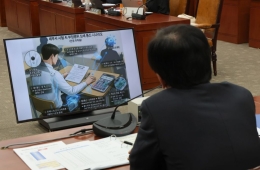
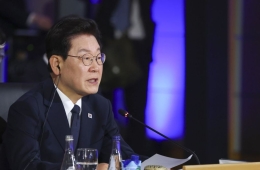
Gwangmyeong Mayor Park Seungwon speaks at a meeting on comprehensive measures for winter natural disasters (heavy snow and cold waves) in 2026–2027, held in the city hall’s main conference room on the 16th. Photo provided by Gwangmyeong City.
View original imageOn the 16th, Gwangmyeong City held a meeting on comprehensive measures for natural disasters in winter, attended by Mayor Park Seungwon and around 90 people, including officials from the Gwangmyeong Police Station and Gwangmyeong Fire Station. The city designated the period through March 15, 2027, as the response period and reviewed its response systems in seven areas, including roads and transportation, facility safety management, and protection of vulnerable groups.
The city’s Road Management Division will handle snow removal on main roads and on secondary roads at least 10 meters wide. The local administrative welfare centers will be responsible for secondary roads less than 10 meters wide and alleyways. The city will closely inspect areas prone to ice, including bridges and steep slopes, and prioritize placing snow removal bins and materials in vulnerable areas. If heavy snowfall disrupts bus services, the city will consult with transport operators on adding buses or extending operating hours.
The number of cold wave shelters will increase to 274. The city will designate 84 additional shelters in cooperation with convenience store operators, NongHyup, Saemaul Geumgo and other organizations. It plans to secure shelters that residents can use at night and on weekends, when public facilities are closed. By the end of the year, the city will install 11 additional heated seats at eight bus stops.
The city will check on residents vulnerable to cold waves, including older adults living alone and people with disabilities, by phone and in person, and provide heating supplies to households in crisis. It will also conduct advance inspections of facilities vulnerable to snow accumulation, including rain shelters at traditional markets, greenhouses and large construction sites.
The city will operate its comprehensive disaster situation room 24 hours a day during the response period. When weather alerts are issued, it will share updates and safety guidelines through emergency text messages and the city website, and exchange on-site information with the police and fire services.
Hot Picks Today
 "Two Spend 500,000 Won in a Flash, Yet Wait Two Hours?" ... 'Dreamland' Shunned by Kids and Foreign Tourists
- The Era of Getting 200 Million Won After 30 Years Is Over... A Japanese Bank's "Perpetual Department Head" Who Just Clocked In Cries Out
- Spain Hit by Its Worst Tragedy... Lee Kangin, Moreno and Real Madrid Join Soccer World in Mourning
- They Said, “Make It Your Home for Life” - Then Suddenly Kicked 200 Passengers Off... What Happened to the Around-the-World Cruise?
- "130 Rice Bowls Sold Out in a Day"... 'Unfiltered Face' Adds 8 Million Won to Night Market Sales: China's Bungeunwoo
“As climate change is making the patterns of natural disasters and the resulting damage more varied, we will not remain bound by our existing response methods but will anticipate and prepare further in advance,” Gwangmyeong Mayor Park Seungwon said. “We will establish a close cooperation system with relevant agencies and strengthen our disaster response capabilities to protect residents’ lives and daily routines as our top priority.”
© The Asia Business Daily. All rights reserved. Unauthorized AI training and use prohibited.