Goyang City Food Waste Down 14% in Four Years... "Pay for What You Throw Away"
Goyang City Operates 1,372 RFID Bins... Resource Circulation Takes Root in Daily Life
Food Waste from Households and Small Restaurants Down 12,398 Tons... Installation Support Extended to Residential Officetels
Mayor Min Kyungsun: "We Will Build a Resource-Circulation City Where Residents Drive Change and the Administration Supports Them"
Food waste generated by households and small restaurants in Goyang, Gyeonggi Province, fell 14% in four years.

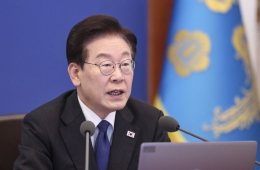
Goyang Mayor Min Kyung-sun delivers remarks at an event commemorating the 18th Resource Circulation Day. Provided by Goyang City.
View original imageGoyang Special City, led by Mayor Min Kyungsun, is expanding support for installing radio-frequency identification (RFID) food waste bins that charge fees based on the weight of waste discarded to include residential officetels. It is also increasing collection facilities so residents can drop off recyclables close to home.
According to Goyang City on the 16th, food waste generated by households and small restaurants in the city fell by 12,398 tons, from 88,499 tons in 2021 to 76,101 tons last year. The amount generated from January through September this year was 56,655 tons, averaging about 6,300 tons per month. This was slightly below last year's monthly average of about 6,340 tons.
With an RFID bin, residents tap a household card and deposit food waste; an electronic scale weighs it and calculates the fee. Goyang City installed 49 bins on a trial basis in five apartment complexes in 2019, then began expanding the program in earnest in 2021. After adding 63 bins at seven complexes this year, 1,372 bins are now operating in 136 complexes. The city has supported the installation or rental of 817 bins, while construction companies installed the other 555. In May last year, the city stipulated in an ordinance the basis for requiring newly built apartment complexes to install the bins.

A recycling kiosk installed by Goyang City. Residents can earn points by depositing beverage cans in the machine on the left and clear PET bottles in the machines in the center and on the right. Courtesy of Goyang City.
View original imageRecycling collection points have also increased. Goyang City operates 19 unmanned collection machines at 13 locations, including district offices, neighborhood administrative welfare centers and parks. There are 20 resource-circulation shops where people can earn points for bringing in recyclables: nine in Deogyang-gu, six in Ilsandong-gu and five in Ilsanseo-gu. Last year, about 20,000 residents participated in earning points at resource-circulation shops and unmanned collection machines, bringing in about 59 tons of recyclables.
At 44 neighborhood administrative welfare centers, residents can exchange 0.5 kilograms of used batteries, cartons or clear PET bottles for one 10-liter pay-as-you-throw garbage bag. The program collected 86.7 tons of recyclables through September this year. The number of schools participating in the "Resource Circulation Day with Schools" program, in which students exchange collected recyclables for goods, rose from 17 last year to 21 this year. Through September this year, 97 recycling education sessions were held at apartment complexes and schools, with 1,694 participants.
Hot Picks Today
 "Two Spend 500,000 Won in a Flash, Yet Wait Two Hours?" ... 'Dreamland' Shunned by Kids and Foreign Tourists
- The Era of Getting 200 Million Won After 30 Years Is Over... A Japanese Bank's "Perpetual Department Head" Who Just Clocked In Cries Out
- Spain Hit by Its Worst Tragedy... Lee Kangin, Moreno and Real Madrid Join Soccer World in Mourning
- They Said, “Make It Your Home for Life” - Then Suddenly Kicked 200 Passengers Off... What Happened to the Around-the-World Cruise?
- "130 Rice Bowls Sold Out in a Day"... 'Unfiltered Face' Adds 8 Million Won to Night Market Sales: China's Bungeunwoo
The city completed scheduled maintenance last month at the Goyang Biomass Energy Facility, which processes food waste. Scheduled maintenance is underway at the Goyang Environmental Energy Facility, which incinerates household waste, and will continue through the 30th of this month. During the maintenance period, the city plans to divert waste that is difficult to process at the incineration facility to sites including the Seoul Metropolitan Landfill, and work with private waste-treatment companies to reduce collection delays.

A resident weighs recyclables brought to the Goyang Resource Recycling Shop. Goyang City pays rewards based on the type and weight of the items. Provided by Goyang City.
View original imageGoyang Mayor Min Kyungsun said, "The reduction in food waste is the result of the efforts of each and every resident adding up. We will lower the barriers to participation and expand the foundations for waste reduction and recycling, while also operating treatment facilities reliably, to build a resource-circulation city where residents drive change and the administration supports them."
© The Asia Business Daily. All rights reserved. Unauthorized AI training and use prohibited.