Gyeonggi Province Sets Next Year's Budget at 42.1946 Trillion Won, Calls It a "Livelihood Defense Budget"
Gyeonggi Province submitted a 2027 budget proposal totaling 42.1946 trillion won to the Gyeonggi Provincial Council on November 13, prioritizing residents' lives and safety, protection for vulnerable groups, and stability in people's livelihoods. The province named the proposal the "Livelihood Defense Budget" to signal its commitment to protecting programs that support people's livelihoods and continuing investment in the foundations for future growth despite the fiscal crisis.
The 2027 budget proposal is up 2.1369 trillion won (5.3%) from this year's main budget of 40.0577 trillion won. However, the main reason for the increase in the overall budget is the expansion of projects funded by national subsidies. The funds Gyeonggi Province can allocate at its own discretion fell by 2.4095 trillion won, from 4.0595 trillion won this year to 1.65 trillion won next year.
To make up for the shortfall, Gyeonggi Province plans to issue 246.2 billion won in local government bonds and draw on 410 billion won from the Integrated Fiscal Stabilization Fund and 100 billion won from the Regional Development Fund, among other sources. If these funds are secured, the total amount available for allocation will rise to 3.0494 trillion won.
Next year's budget was drawn up around three priorities: prioritizing support for people's livelihoods and safety, improving the spending structure, and investing in the foundations for future growth.

The province first concentrated funding on programs directly related to residents' lives and safety and the protection of vulnerable groups. Key allocations include 436.1 billion won to operate the public management system for city buses; 297.6 billion won for long-term care facility benefits for older adults; 244.5 billion won to help fund meals at kindergartens and elementary, middle, and high schools under the Provincial Office of Education; 61.6 billion won to support the issuance of local currency; 55.4 billion won for health care support for mothers and newborns; 41.6 billion won to improve working conditions for childcare center staff and provide substitute workers; 35 billion won for meals for children at risk of going hungry; 27.6 billion won in additional activity support benefits for people with disabilities; 10.8 billion won for a grant program for tailored jobs for people with disabilities; and 3.3 billion won for operating expenses at senior welfare centers.
The budget also includes 37.5 billion won in support for the opportunity income program for farmers and fishers and 57.7 billion won for the youth basic income program. In addition, 90.6 billion won will go toward local river improvement projects to help prevent disasters and create a safe living environment.
Taking into account the fiscal burden on cities and counties, the province also decided to keep subsidy rates for most provincially funded projects at about the same level as the previous year. This reverses its initial plan to adjust the rates to around the standard rate of 30%. The aim is to prevent Gyeonggi Province's fiscal difficulties from leading to cuts in programs that support people's livelihoods in cities and counties.
Gyeonggi Province improved its spending structure by reviewing existing programs from the ground up. It reduced unnecessary spending and reallocated funds to essential programs for people's livelihoods by strengthening program performance evaluations, consolidating or eliminating similar and overlapping programs, adjusting underperforming programs, and minimizing carryovers.
The province will also continue investing in the foundations for future growth, including advanced industries such as artificial intelligence (AI) and semiconductors, as well as transportation and social overhead capital (SOC). Key allocations include 2.1 billion won to operate the Gyeonggi Semiconductor Technology Center; 2.3 billion won for technology development projects; 3 billion won to introduce intercity autonomous-driving buses; 900 million won to establish the Gyeonggi AI Innovation Cluster; and 2.5 billion won for Gyeonggi Sunshine Self-Sufficient Villages.
However, despite using local government bonds and funds and reducing spending, the province's difficult fiscal conditions prevented it from including some mandatory expenses and three months' worth of public officials' salaries in the proposal. Gyeonggi Province plans to work with the central government and the National Assembly to secure national funding and additional resources, and to make up for essential budget items that were left out through a supplementary budget at a later date.
Hot Picks Today
 "Two Spend 500,000 Won in a Flash, Yet Wait Two Hours?" ... 'Dreamland' Shunned by Kids and Foreign Tourists
- The Era of Getting 200 Million Won After 30 Years Is Over... A Japanese Bank's "Perpetual Department Head" Who Just Clocked In Cries Out
- Spain Hit by Its Worst Tragedy... Lee Kangin, Moreno and Real Madrid Join Soccer World in Mourning
- They Said, “Make It Your Home for Life” - Then Suddenly Kicked 200 Passengers Off... What Happened to the Around-the-World Cruise?
- "130 Rice Bowls Sold Out in a Day"... 'Unfiltered Face' Adds 8 Million Won to Night Market Sales: China's Bungeunwoo
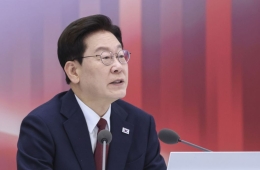
"The 2027 budget proposal is a Livelihood Defense Budget that reflects our resolve to protect people's livelihoods where it matters, make bold cuts to spending that can be reduced, and continue investing in the future, even amid difficult fiscal conditions," said Jeong Duseok, head of Gyeonggi Province's Planning and Coordination Office. "We will persuade the central government and the National Assembly to secure additional resources and do everything we can to protect the budget residents need."
© The Asia Business Daily. All rights reserved. Unauthorized AI training and use prohibited.