Six Areas in Seoul, Including Doksan, Daerim and Ssangmun-dong, Selected as Rapid Integrated Planning Candidates
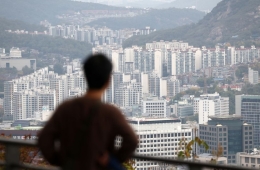
Areas with aging housing in urgent need of residential environment improvements
Begin redevelopment plan preparation and designate zones within two years

Six areas have been selected as candidates for Rapid Integrated Planning: the area around 992 Doksan-dong, Geumcheon-gu; 680 Daerim-dong, Yeongdeungpo-gu; 710 Ssangmun-dong, Dobong-gu; 137-1 Cheonho-dong, Gangdong-gu; 212 Daejo-dong, Eunpyeong-gu; and the area around 39 Yongdu-dong, Dongdaemun-gu.
The Seoul Metropolitan Government said on November 13 that it had selected these areas as additional candidates for Rapid Integrated Planning for housing redevelopment after holding the fourth Candidate Selection Committee for housing redevelopment under the program twice, on October 30 and November 12.
The selections focused on areas with a high proportion of aging housing and many semi-basement homes, where improvements to the residential environment are urgently needed.
The city said it selected one area in each of six autonomous districts, taking into account residents' willingness to participate in projects, connections with neighboring development projects, and local conditions to ensure that candidates were not concentrated in any particular region or area.
The area at 680 Daerim-dong and the area around 137-1 Cheonho-dong are low-rise residential areas where more than 70% of buildings are aging, and are considered to be in urgent need of improvements to their residential environments. In the area around 39 Yongdu-dong, residents' willingness to participate is high, with more than 70% agreeing to proceed with the project.
Development projects in and around 710 Ssangmun-dong, 212 Daejo-dong, and the area around 992 Doksan-dong, including neighboring redevelopment candidate areas, are actively underway. The city expects that linking development with infrastructure improvements, such as road widening, will also improve living conditions across the broader areas.
The Seoul Metropolitan Government plans to apply "Rapid Integrated Planning 2.0" to the selected areas to simplify permitting procedures. This will shorten the redevelopment project timeline from the usual 18.5 years to 12 years, enabling homes to be supplied earlier.
The city will immediately provide subsidies for preparing redevelopment plans, allowing work to begin on Rapid Integrated Planning and redevelopment plan preparation services, and will complete designation of the redevelopment zones within two years.
The city plans to secure project feasibility by using, in ways suited to local conditions, the project feasibility adjustment coefficient, existing floor area ratio, and multi-level parks introduced under the "2030 Basic Plan for Urban and Residential Environment Improvement."
The Seoul Metropolitan Government will also implement measures to prevent speculation and deter speculative investors from entering areas during redevelopment.
Transactions for speculative purposes, such as gap investment, will be blocked at the outset by designating the areas as land transaction permit zones. To prevent practices such as "share splitting" aimed at securing redevelopment purchase rights, the city will announce a rights calculation reference date for each candidate area and restrict building permits.
Hot Picks Today
 "Two Spend 500,000 Won in a Flash, Yet Wait Two Hours?" ... 'Dreamland' Shunned by Kids and Foreign Tourists
- The Era of Getting 200 Million Won After 30 Years Is Over... A Japanese Bank's "Perpetual Department Head" Who Just Clocked In Cries Out
- Spain Hit by Its Worst Tragedy... Lee Kangin, Moreno and Real Madrid Join Soccer World in Mourning
- They Said, “Make It Your Home for Life” - Then Suddenly Kicked 200 Passengers Off... What Happened to the Around-the-World Cruise?
- "130 Rice Bowls Sold Out in a Day"... 'Unfiltered Face' Adds 8 Million Won to Night Market Sales: China's Bungeunwoo
"The areas selected this time are aging residential neighborhoods with poor infrastructure, where improvements to the residential environment are urgently needed," said Myeong Nojun, head of the Seoul Metropolitan Government's Housing Office. "We will establish a stable foundation for housing supply through the selection of these candidate areas and support faster implementation through Rapid Integrated Planning so that homes can be supplied at an early date."
© The Asia Business Daily. All rights reserved. Unauthorized AI training and use prohibited.