[U.S. Stocks] AI-related shares fall in wake of Jensen Huang's resignation... Major indexes all lower
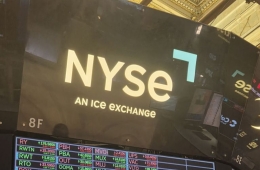
On Thursday, November 12 (local time), all three major U.S. stock indexes were lower. Nvidia shares plunged after CEO Jensen Huang resigned in the wake of an affair scandal, spreading selling across AI-related stocks. Uncertainty over the situation in the Middle East also weighed on investor sentiment.
As of 10:20 a.m. in New York, the Dow was trading at 52,408.16, down 78.33 points, or 0.15%, from the previous session. The S&P 500, which is dominated by large-cap stocks, was down 29.25 points, or 0.38%, at 7,590.13, while the Nasdaq, which is dominated by tech stocks, fell 156.10 points, or 0.61%, to 25,310.08.

Nvidia led the market’s decline. The company announced Huang’s resignation and appointed Chief Financial Officer Colette Kress as interim CEO.
The move came after allegations surfaced that Huang had an affair with a woman suspected of having ties to Chinese intelligence. Nvidia shares plunged more than 11% early in the session, then were trading at $160.93, down 7.37%, as of 10:03 a.m.
Analysts said Huang’s sudden departure had heightened uncertainty about Nvidia’s technological innovation and business strategy. Michael Landsberg, chief investment officer at Landsberg Bennett Private Wealth Management, told CNBC, “Huang’s resignation is the worst-case scenario in this situation. He was not just an executive; he was the person who set the company’s vision.”
He praised Kress’s capabilities but said questions remained about how Nvidia would continue to innovate without Huang.
AI-related stocks also fell. Oracle was down 3%, and Micron Technology fell 4%. AI data center company Nebius reported third-quarter revenue above market expectations but issued a disappointing outlook, sending its shares down 20% in premarket trading.
By contrast, AMD rose 1% and Broadcom gained 4% as investors bought shares in Nvidia’s competitors. The gains appeared to reflect hopes that Huang’s departure could reshape competition in the AI semiconductor market.
Uncertainty over the situation in the Middle East also weighed on stocks. U.S. President Donald Trump wrote on his social media platform Truth Social that day, “We don’t need a deal with Iran. Those days are long gone.”
As hopes for a deal with Iran faded, West Texas Intermediate (WTI) crude futures traded at $86 a barrel, while Brent crude futures, the international benchmark, traded at around $93 a barrel.
Markets are also focused on macroeconomic risks, including persistent inflation, the possibility of further interest rate hikes by the Federal Reserve (Fed), and rising long-term interest rates.
Hot Picks Today
 "Two Spend 500,000 Won in a Flash, Yet Wait Two Hours?" ... 'Dreamland' Shunned by Kids and Foreign Tourists
- The Era of Getting 200 Million Won After 30 Years Is Over... A Japanese Bank's "Perpetual Department Head" Who Just Clocked In Cries Out
- Spain Hit by Its Worst Tragedy... Lee Kangin, Moreno and Real Madrid Join Soccer World in Mourning
- They Said, “Make It Your Home for Life” - Then Suddenly Kicked 200 Passengers Off... What Happened to the Around-the-World Cruise?
- "130 Rice Bowls Sold Out in a Day"... 'Unfiltered Face' Adds 8 Million Won to Night Market Sales: China's Bungeunwoo
Samir Samana, head of global equities and real assets at Wells Fargo Investment Institute, told CNBC, “The market environment is changing, with stubborn inflation, further rate hikes, rising long-term interest rates, changes in Washington’s political landscape, and calls for regulation of AI and data centers.” He advised investors to approach the recent stock market rebound with caution.
© The Asia Business Daily. All rights reserved. Unauthorized AI training and use prohibited.