“Gangwon FC Home Venue Reversal, Community Sports Gaps”... Gangwon State Council Rebukes Culture and Sports Administration
Gangwon State Council Criticizes Overall Operations at Culture and Sports Bureau Audit
Seo Youngil: "Explain Why Match Venues Were Changed"; Points to Poor National Heritage Management
Ahn Jeongmin: "24 Community Sports Instructor Vacancies"; Calls for Greater Use of Youth Culture and Arts Pass

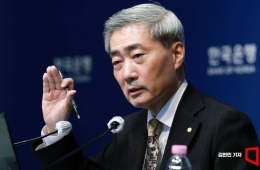
Gangwon Provincial Council member Seo Youngil. Provided by the Gangwon Provincial Council.
View original imageAt an administrative audit of the Gangwon State Council’s Culture and Sports Bureau, members raised questions about the reversal of a decision on where to hold Gangwon FC’s home matches and the shortage of community sports instructors. They also called for proactive measures to prevent damage to national heritage and improvements to the low execution rate of the Youth Culture and Arts Pass program.
Assemblyman Seo Youngil (People Power Party, proportional representative) questioned the circumstances behind the change in the venue for Gangwon FC’s 2027 home matches from Gangneung alone to matches split between Chuncheon and Gangneung during an administrative audit by the Standing Committee on Administration and Culture at the council’s 350th regular session on Nov. 9.
According to Seo, Gangneung was selected as the sole venue for the home matches on Aug. 24, but the decision was changed a month later after Gangwon Governor Woo Sang-ho ordered a review.
“Is it really normal for an administrative decision to be overturned at a single word from the governor?” Seo said. “We need to clarify whether there was a problem with the original decision or whether it was reversed based on the governor’s political judgment.”
He added, “There is a lack of communication between the governor and the Culture and Sports Bureau regarding Gangwon FC, which receives 12 billion won in provincial funding each year. The club’s operations should not be dragged into political controversy; the focus should be on improving its performance.”
Seo also raised concerns about national heritage management. He said a Gungchon eumnamu tree in Samcheok broke while budget allocation and administrative procedures were delayed, despite signs that it was dying. “Once cultural heritage is damaged, it cannot be restored. We need to move away from a reactive, after-the-fact approach to management,” he said.
He also called for the systematic preservation and use of the historic site of Lee Seung-hyu in Samcheok, repairs to Cheoneunsa Temple, and checks to ensure that the Internet of Things (IoT) safety management system for national heritage is working properly. He requested support from the provincial government for the construction of management facilities at Samhwasa Temple in Donghae.
Regarding Samcheok’s 42.6 billion won investment plan for sports facilities, Seo said, “We need to move away from building facilities and leaving their operation to cities and counties, and establish a practical support system that both the resident population and the living population can use.”

Ahn Jeongmin, member of the Gangwon Provincial Assembly. Provided by the Gangwon Provincial Assembly.
View original imageAssemblywoman Ahn Jeongmin (Democratic Party of Korea, Wonju 8) addressed gaps in community sports classes caused by vacant instructor positions.
According to the provincial government’s work report, Gangwon has 216 community sports instructors against an authorized headcount of 240, leaving 24 vacancies. By category, there are 14 vacancies for general instructors, six for senior instructors, and four for instructors for people with disabilities. In particular, Taebaek and Yangyang each have zero community sports instructors for people with disabilities.
Ahn asked whether recruitment had been completed in the two areas and how community sports classes for people with disabilities were being run. She also asked whether the gaps were being covered through rotating instruction from neighboring cities and counties or by hiring substitute instructors until recruitment was complete.
She urged the provincial government to establish measures to address vacancies and fill service gaps so that people can take part in community sports regardless of where they live.
Regarding the Youth Culture and Arts Pass program, she said the issuance rate for vouchers and the actual execution rate should be tracked separately. She questioned whether it was appropriate for the provincial government to mark as “completed” a corrective action requested by the provincial council to improve the execution rate, citing expanded support areas and a 100% issuance rate.
According to administrative audit materials, the execution rate for the Youth Culture and Arts Pass program was 30.5% in 2024 and 47.7% in 2025, falling short of half in both years. This year, it stood at just 39.2% as of Sept. 30.
Hot Picks Today
 "Two Spend 500,000 Won in a Flash, Yet Wait Two Hours?" ... 'Dreamland' Shunned by Kids and Foreign Tourists
- The Era of Getting 200 Million Won After 30 Years Is Over... A Japanese Bank's "Perpetual Department Head" Who Just Clocked In Cries Out
- Spain Hit by Its Worst Tragedy... Lee Kangin, Moreno and Real Madrid Join Soccer World in Mourning
- They Said, “Make It Your Home for Life” - Then Suddenly Kicked 200 Passengers Off... What Happened to the Around-the-World Cruise?
- "130 Rice Bowls Sold Out in a Day"... 'Unfiltered Face' Adds 8 Million Won to Night Market Sales: China's Bungeunwoo
Ahn said that if actual use and improvements in the execution rate had not been confirmed, the item should remain “in progress” and continue to be monitored. She asked about the amount and rate of spending as of the audit date, the extent of improvement since the end of September, and the projected execution rate by year-end, and called for changes to ensure the program leads to meaningful cultural and artistic activities for young people.
© The Asia Business Daily. All rights reserved. Unauthorized AI training and use prohibited.