Gimcheon City Holds Population Training for Public Officials... Strengthens Capacity to Address Regional Depopulation
Responding to the Low Birth Rate and Population Aging
Seeking Locally Tailored Population Policies
Gimcheon City in North Gyeongsang Province is working to improve public officials' awareness and strengthen their policy capabilities in response to demographic changes caused by the low birth rate and population aging.

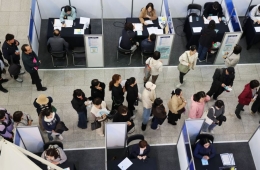
On November 6, Gimcheon City held "2026 Whole-of-Society Population Education" for its employees in the auditorium on the third floor of City Hall.
The training was led by Lee Wootaek, a specialist instructor at the Institute for Population and Future Policy Research. It focused on domestic and international examples of demographic change, ways to overcome the low birth rate and population aging, and the role and strategies of local governments in responding to population decline in regional areas.
In particular, participants shared practical policy priorities tailored to Gimcheon's local conditions, including improving the residential environment, attracting new residents and fostering a child-rearing-friendly culture.
Kwon Youngbok, head of the Population Policy Division, said, "The population crisis is an issue that all areas of public administration must address together." Kwon added, "We will work to ensure that employees incorporate demographic considerations into various policies and projects and identify effective responses."
Hot Picks Today
 "Two Spend 500,000 Won in a Flash, Yet Wait Two Hours?" ... 'Dreamland' Shunned by Kids and Foreign Tourists
- The Era of Getting 200 Million Won After 30 Years Is Over... A Japanese Bank's "Perpetual Department Head" Who Just Clocked In Cries Out
- Spain Hit by Its Worst Tragedy... Lee Kangin, Moreno and Real Madrid Join Soccer World in Mourning
- They Said, “Make It Your Home for Life” - Then Suddenly Kicked 200 Passengers Off... What Happened to the Around-the-World Cruise?
- "130 Rice Bowls Sold Out in a Day"... 'Unfiltered Face' Adds 8 Million Won to Night Market Sales: China's Bungeunwoo
The population crisis cannot be solved through education alone. Changes in public officials' awareness must lead to substantive policy shifts, which in turn should improve living conditions in ways residents can feel and produce results in attracting new residents.
© The Asia Business Daily. All rights reserved. Unauthorized AI training and use prohibited.