"No Indiscriminate Filming"... PIPC Outlines Smart Glasses Guidelines
The Personal Information Protection Commission said on Nov. 9 that it had published an in-depth report outlining precautions for protecting personal information when using smart glasses.
After concerns about privacy violations arose following the launch of smart glasses overseas, the commission held meetings with relevant companies ahead of their launch in Korea. It also analyzed the characteristics of personal information infringement risks and the features of different models. The report covers the key features of smart glasses and potential threats.

Song Kyung-hee, chairperson of the Personal Information Protection Commission, speaks about recent personal information leaks at a plenary meeting at the Government Complex Seoul in Jongno-gu, Seoul, on October 28, 2026. Photo by Cho Yongjun
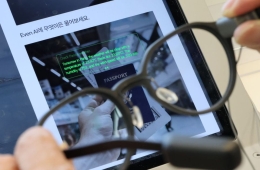
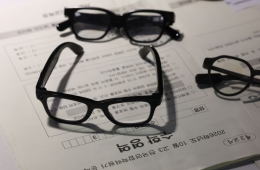
View original imageSmart glasses are wearable devices equipped with cameras, microphones, sensors and other components that can be linked to generative artificial intelligence (AI). Because they look much like ordinary glasses or sunglasses, it can be difficult to tell whether they are taking photos or recording audio. Manufacturers may equip the devices with features such as LED indicators, but users can cover or otherwise disable them.
The commission advised users to check what personal information is used and how before completing the initial setup of smart glasses or using their services, and to provide consent to the collection and use of their personal information only after doing so. Users should also manage the devices while using them, including by disabling unnecessary functions. In addition, they should refrain from using smart glasses in places where filming is prohibited, such as restrooms, changing rooms, courts and examination halls. Indiscriminate filming is prohibited under relevant laws and regulations.
When using smart glasses to film, users should inform people nearby that they are filming or recording so they are aware, particularly in situations where people may be filmed at close range or their conversations may be recorded. If someone objects to being filmed or recorded, users should stop immediately. Businesses providing AI services must also obtain prior consent to use collected information for AI training. Manufacturers, too, should design and produce devices with a privacy-by-design (PbD) approach.
The commission plans to draw up guidelines on protecting personal information when using smart glasses, including specific measures for users, manufacturers and service providers to follow. It also plans to continue improving its personal information protection policies to address a range of emerging technologies.
Hot Picks Today
 "Two Spend 500,000 Won in a Flash, Yet Wait Two Hours?" ... 'Dreamland' Shunned by Kids and Foreign Tourists
- The Era of Getting 200 Million Won After 30 Years Is Over... A Japanese Bank's "Perpetual Department Head" Who Just Clocked In Cries Out
- Spain Hit by Its Worst Tragedy... Lee Kangin, Moreno and Real Madrid Join Soccer World in Mourning
- They Said, “Make It Your Home for Life” - Then Suddenly Kicked 200 Passengers Off... What Happened to the Around-the-World Cruise?
- "130 Rice Bowls Sold Out in a Day"... 'Unfiltered Face' Adds 8 Million Won to Night Market Sales: China's Bungeunwoo
Song Kyunghee, chairperson of the Personal Information Protection Commission, said, "As smart glasses become part of people's daily lives, the risks of personal information and privacy violations are becoming a reality. The commission will continue to improve its policies in response to emerging technologies such as smart glasses, and will make sustained efforts to protect people's personal information safely without hindering innovation."
© The Asia Business Daily. All rights reserved. Unauthorized AI training and use prohibited.