Gyeonggi Province Malaria Cases Down 43% Year on Year... Public, Private and Military Sectors Join Forces to Eradicate Disease
Gyeonggi Province said on November 6 that 180 malaria cases had been reported in the province through the end of September this year, down by 135, or 42.9%, from 315 cases during the same period last year. The number of cases in the province peaked at 434 in 2023 and has declined for three consecutive years.
Even in July, the month with the most cases, 43 people were infected this year, less than half the 91 reported last year. The province attributed the decline to focused management, including allocating 70.4% of its budget to four border-area cities and counties—Paju, Goyang, Gimpo and Yeoncheon—where more than 75% of cases occur.
Rapid diagnosis, which helps identify patients sooner, also improved significantly. The share of patients diagnosed within five days of developing symptoms reached 75.5%, up 5.5 percentage points from 70% last year.
In addition, the province expanded its self-testing program using rapid diagnostic kits from two cities and counties, Paju and Gimpo, last year to 17 this year, distributing 16,311 kits.

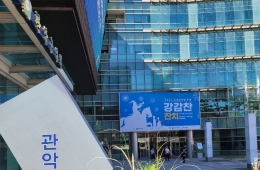
Gyeonggi-do is holding a meeting of the Malaria Eradication Project Team for the second half of the year on the 6th. Photo provided by Gyeonggi-do.
View original imagePatient management and disease prevention efforts were also carried out thoroughly. Epidemiological investigations and intensive disinfection around the homes of all 163 patients were completed within three days, and 191 joint disinfection operations were conducted with 112 military units.
At Gyeonggi Provincial Government on November 6, Gyeonggi Province held a meeting of its Malaria Eradication Project Team for the second half of 2026 to review this year's progress and discuss strategies for its 2027 malaria eradication program.
The meeting brought together experts from academia, the Korea Disease Control and Prevention Agency, officials from cities and counties with high numbers of malaria cases, and military officials. It was organized to strengthen cooperation among relevant organizations and gather expert opinions on the direction of future initiatives.
Hot Picks Today
 "Two Spend 500,000 Won in a Flash, Yet Wait Two Hours?" ... 'Dreamland' Shunned by Kids and Foreign Tourists
- The Era of Getting 200 Million Won After 30 Years Is Over... A Japanese Bank's "Perpetual Department Head" Who Just Clocked In Cries Out
- Spain Hit by Its Worst Tragedy... Lee Kangin, Moreno and Real Madrid Join Soccer World in Mourning
- They Said, “Make It Your Home for Life” - Then Suddenly Kicked 200 Passengers Off... What Happened to the Around-the-World Cruise?
- "130 Rice Bowls Sold Out in a Day"... 'Unfiltered Face' Adds 8 Million Won to Night Market Sales: China's Bungeunwoo
Yoo Young-cheol, director of Gyeonggi Province's Health and Health Bureau, said, "The decline in cases and faster diagnoses are achievements made possible by the joint efforts of public health centers in cities and counties, military units and residents. The public sector, private sector and military will continue to pool their efforts to eradicate malaria."
© The Asia Business Daily. All rights reserved. Unauthorized AI training and use prohibited.