Kia to Invest 3 Trillion Won in Jeonnam-Gwangju, Build Future Vehicle Production System at Gwangju Plant
Establish a future vehicle production system based on electrification and AI by 2029
Test technologies such as autonomous shuttles with local universities and research institutions
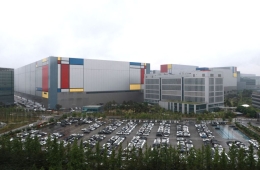
Kia will invest about 3 trillion won in Jeonnam-Gwangju by 2029 to establish a future vehicle production system at its Gwangju plant. Jeonnam-Gwangju Integrated Special City, local universities and research institutions have also agreed to work together to develop and test future mobility technologies, including autonomous shuttles and demand-responsive transit using purpose-built vehicles (PBVs).
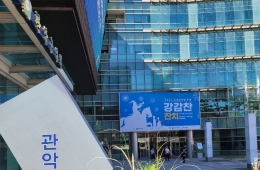
Jeonnam-Gwangju Integrated Special City said on November 6 that it had signed an agreement with Kia, Chonnam National University and the Gwangju Institute of Science and Technology (GIST) to create a PBV-based future mobility industry ecosystem at Kia Autoland Gwangju.

Min Hyungbae, Special Mayor of Jeonnam-Gwangju Integrated Special City, poses for a commemorative photo after signing an agreement to develop a PBV-based future mobility industry ecosystem in the conference room at Kia AutoLand Gwangju on the 6th. From left: Lee Geunbae, president of Chonnam National University; Min Hyungbae, Special Mayor of Jeonnam-Gwangju Integrated Special City; Song Hoseong, CEO of Kia; and Lim Gicheol, president of GIST. Provided by Jeonnam-Gwangju Integrated Special City.
View original imageKia will invest about 3 trillion won by 2029 to introduce innovative manufacturing technologies, including electrification and artificial intelligence (AI), at Autoland Gwangju and establish a future vehicle production system. The main goal is to shift the existing production base, which is centered on internal combustion engine vehicles, toward future vehicles.
The agreement covers the development and testing of transportation and logistics technologies using PBVs, cooperation on commercialization, and the training of specialized personnel. A PBV is a purpose-built vehicle whose structure and functions can be adapted to its intended use, and is part of Kia's future mobility business model.
Areas of cooperation include developing vehicles dedicated to demand-responsive transit (DRT) and testing autonomous PBV shuttle services. The testing will also cover remote-driving technology based on the PV5 WAV to support the mobility of people with limited mobility, as well as Easy Swap technology, which allows vehicles to be reconfigured for uses such as logistics and passenger transport.
Based on the investment and agreement, Gwangju Special City plans to pursue projects in partnership with local auto parts manufacturers and identify support programs related to future vehicles.
Jeonnam-Gwangju Integrated Special City Mayor Min Hyungbae said, "We will support Kia Autoland Gwangju as it grows into a key global production base for future vehicles."
Hot Picks Today
 "Two Spend 500,000 Won in a Flash, Yet Wait Two Hours?" ... 'Dreamland' Shunned by Kids and Foreign Tourists
- The Era of Getting 200 Million Won After 30 Years Is Over... A Japanese Bank's "Perpetual Department Head" Who Just Clocked In Cries Out
- Spain Hit by Its Worst Tragedy... Lee Kangin, Moreno and Real Madrid Join Soccer World in Mourning
- They Said, “Make It Your Home for Life” - Then Suddenly Kicked 200 Passengers Off... What Happened to the Around-the-World Cruise?
- "130 Rice Bowls Sold Out in a Day"... 'Unfiltered Face' Adds 8 Million Won to Night Market Sales: China's Bungeunwoo
Kia CEO Song Hosung said, "By establishing a future vehicle production system and expanding our PBV business, we will contribute to Jeonnam-Gwangju's growth as a center of the future mobility industry."
© The Asia Business Daily. All rights reserved. Unauthorized AI training and use prohibited.