'Modern-Day Jean Valjeans' on the Decline... Welfare Support, Not Punishment, for Poverty-Driven Petty Crimes
Korean National Police Agency selects nine exemplary minor-offense review cases
Referrals to minor-offense review committees up 63% as of September
Police are expanding leniency and welfare support for minor offenses, including reducing penalties and providing basic necessities to suspects, such as one who stole instant rice because of financial hardship.

The Korean National Police Agency announced on November 3 that it had selected nine exemplary cases from those reviewed by local minor-offense review committees nationwide in the third quarter of this year. In these cases, authorities took suspects' circumstances into account, reduced penalties, and helped them return to society.
Dongjak Police Station in Seoul referred a suspect who stole instant rice worth 21,000 won to its minor-offense review committee. The suspect had been struggling financially after losing a job and had even filed for bankruptcy. Considering that the loss had been made good and that the victim did not want the suspect punished, police requested a summary trial. The court later deferred sentencing. Police also connected the suspect with the Ministry of Health and Welfare's "Just Dream" program to provide basic necessities.
In Naju, South Jeolla Province, a person with a developmental disability who had been staying in a youth training center's storage room because they had nowhere else to go was released with a warning. The person's only guardian, their father, had been diagnosed with stage-four cancer, making it difficult for the person to receive proper care. Naju Police Station in South Jeolla Province took these circumstances into account, along with the victim's wish not to press charges, and released the person with a warning. It then connected the person with the Jeonnam Center for Developmental Disabilities to help them receive necessary welfare support, including daytime care services.
Dongbu Police Station in Daegu requested a summary trial for a suspect who stole basic necessities worth 11,500 won, including laundry soap, from a supermarket. The parties did not reach a settlement because the victim demanded 1 million won in compensation. However, the court took into account that the suspect was an elderly recipient of basic livelihood assistance, had tried to make good the loss, and was remorseful. The court ultimately fined the suspect 100,000 won.
The minor-offense review committee is a system that considers the circumstances of an offense, whether the damage has been made good, and the suspect's circumstances to determine whether to reduce penalties in relatively minor criminal cases. Police are expanding their use of the system to prevent people from acquiring criminal records for minor offenses and help suspects return to society promptly. As of September this year, 13,425 cases had been referred to minor-offense review committees, an increase of about 63% from the same period last year.
Hot Picks Today
 "Two Spend 500,000 Won in a Flash, Yet Wait Two Hours?" ... 'Dreamland' Shunned by Kids and Foreign Tourists
- The Era of Getting 200 Million Won After 30 Years Is Over... A Japanese Bank's "Perpetual Department Head" Who Just Clocked In Cries Out
- Spain Hit by Its Worst Tragedy... Lee Kangin, Moreno and Real Madrid Join Soccer World in Mourning
- They Said, “Make It Your Home for Life” - Then Suddenly Kicked 200 Passengers Off... What Happened to the Around-the-World Cruise?
- "130 Rice Bowls Sold Out in a Day"... 'Unfiltered Face' Adds 8 Million Won to Night Market Sales: China's Bungeunwoo
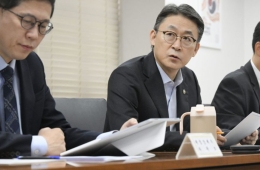
The Korean National Police Agency plans to promote the system's use, including by expanding awards for investigators who make active use of it. Acting Korean National Police Commissioner General Kim Jongcheol said, "We will continue to uphold the law and its principles while delivering fair and compassionate law enforcement that meets the public's expectations, particularly in minor-offense cases where guidance and support are more appropriate than punishment."
© The Asia Business Daily. All rights reserved. Unauthorized AI training and use prohibited.