Siheung Redesignated as Environmental Education City... Learning from Lake Sihwa, Putting Carbon Neutrality into Practice
Advance locally tailored environmental education from 2027 to 2029
Expand five key initiatives, including a Lake Sihwa educational ecosystem and Eco Village 2.0
Siheung City in Gyeonggi Province, led by Mayor Lim Byeong-taek, has been redesignated as an “Environmental Education City.” The city will expand environmental education by incorporating lessons from the environmental pollution and ecological restoration of Lake Sihwa, and by helping residents turn what they learn into everyday carbon-neutral practices.

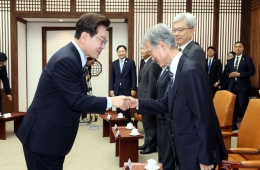
Siheung City Re-Designated as an Environmental Education City. Photo courtesy of Siheung City
View original imageSiheung City announced on November 2 that it had been selected in the final round of the Ministry of Climate, Energy and Environment’s competition to designate Environmental Education Cities. A total of 21 local governments applied, and 10 were selected. Following its initial designation in 2023, the city’s redesignation will allow it to continue environmental education policies tailored to local characteristics for three years, from 2027 to 2029.
Environmental Education City is a government program that designates and supports local governments with strong foundations, achievements, and future plans for promoting environmental education. The Ministry of Climate, Energy and Environment evaluated each local government’s commitment, achievements, and development plans through document and on-site reviews, as well as in-depth interviews with local government heads.
During the on-site review, Siheung Mayor Lim Byeong-taek described the locally tailored environmental education initiatives carried out jointly by the public, private, and academic sectors over the past three years, as well as residents’ achievements in practicing carbon neutrality. He also presented a vision for “Big History Lake Sihwa Environmental Education,” encompassing everything from human settlement and industrialization to environmental pollution, ecological restoration, and the energy transition, with Lake Sihwa at its center.
The city has expanded its educational infrastructure through collaboration led by the Siheung Eco Center with the education support office, schools, environmental education institutions, civic groups, and others. It opened a Carbon Neutrality Experience Center, developed and operated the Siheung Environmental Education Curriculum, and established a foundation for training specialized personnel by securing designation as an environmental educator training institution.
The Lake Sihwa Environmental Education Required Completion Program and the “Siheung Carbon Household Ledger Plus (+)” app have been used to connect environmental education with practical actions in residents’ daily lives.
This year, following consultations with relevant institutions, public input, and expert advice, the city established the “Second Siheung City Environmental Education Plan (2026–2030).” The plan sets the framework for environmental education initiatives over the next five years, reflecting national policy directions and local characteristics.
Building on its redesignation, the city will expand environmental education involving schools, local communities, and businesses. Its five key initiatives are establishing a Big History educational ecosystem centered on Lake Sihwa; a required climate, energy, and environmental education program for the public sector; Eco Village 2.0; strengthening Siheung’s climate action; and operating the Siheung Environmental Education Curriculum.
Hot Picks Today
 "Two Spend 500,000 Won in a Flash, Yet Wait Two Hours?" ... 'Dreamland' Shunned by Kids and Foreign Tourists
- The Era of Getting 200 Million Won After 30 Years Is Over... A Japanese Bank's "Perpetual Department Head" Who Just Clocked In Cries Out
- Spain Hit by Its Worst Tragedy... Lee Kangin, Moreno and Real Madrid Join Soccer World in Mourning
- They Said, “Make It Your Home for Life” - Then Suddenly Kicked 200 Passengers Off... What Happened to the Around-the-World Cruise?
- "130 Rice Bowls Sold Out in a Day"... 'Unfiltered Face' Adds 8 Million Won to Night Market Sales: China's Bungeunwoo
“The city’s redesignation as an Environmental Education City is highly significant because it recognizes the achievements and potential for development of the environmental education efforts that residents and the local community have built together over the past three years,” said Siheung Mayor Lim Byeong-taek. “We will continue working to make Siheung a sustainable Environmental Education City where everyone, from future generations to residents and businesses, can take part in environmental education, and where learning leads to everyday action and progress toward carbon neutrality.”
© The Asia Business Daily. All rights reserved. Unauthorized AI training and use prohibited.