Bitcoin Stolen in 'North Korea Hack' Surpasses Tesla's Holdings... "Bitcoin Alone Worth $1.4 Billion"
2.3 Times El Salvador's Bitcoin Holdings
FBI Identifies North Korean Hacking Group
The amount of Bitcoin stolen by a North Korea-linked hacking group from Binance, the world's largest cryptocurrency exchange, has reportedly surpassed the holdings of U.S. electric vehicle maker Tesla. The total value of cryptocurrency stolen in the hack is estimated at $6.36 billion, including $1.4 billion worth of Bitcoin alone.

According to foreign media outlets, including cryptocurrency news site CoinDesk, on October 31 (local time), hackers stole a total of 18,270 Bitcoin from Binance on October 29. At $78,500 per coin, the haul is worth approximately $1.4 billion (about 1.87 trillion won). The total losses include various cryptocurrencies, such as Bitcoin and Ethereum.
The stolen Bitcoin far exceeds Tesla's holdings of 11,509 coins. It is 2.3 times the approximately 7,820 coins held by the government of El Salvador, which has been accumulating Bitcoin since September 2021. The amount is also just 442 coins short of the 18,712 held by SpaceX, the space company led by Tesla CEO Elon Musk.
The U.S. Federal Bureau of Investigation (FBI) identified the North Korean hacking group TraderTraitor as being behind the attack. Blockchain analytics firm TRM Labs also believes the attack was carried out by a North Korea-linked group. Binance, however, has not officially identified the attacker. The FBI had also named the group as being behind the theft of $1.5 billion from cryptocurrency exchange Bybit in February 2025.

At around 4:20 p.m. ET on October 29, hackers transferred 18,270 Bitcoin from a Binance hot wallet to new wallet addresses in 11 separate transactions. A hot wallet is an electronic wallet connected to the internet that processes customer withdrawals and other cryptocurrency transactions. According to TRM Labs, most of the total cryptocurrency losses were stolen within about 20 minutes.
The stolen Bitcoin was subsequently distributed among 19 wallets. Seventeen of them each held 1,000 coins, while the other two held approximately 833 and 438 coins. No signs of further transactions from these wallets had been found by 2:02 a.m. ET on October 30.
Binance said that, of the total losses of approximately $6.36 billion, around $3 billion had been frozen on the blockchain as of the morning of October 31, Asia time. Stablecoin issuers, including Tether and Circle, helped prevent further losses by blocking transfers of funds from specific wallets.

Binance founder Changpeng Zhao enters federal court in Seattle, Washington, on April 30, 2024 (local time). AP-Yonhap News
View original imageTracing and recovering the stolen Bitcoin are separate challenges. Unlike stablecoins, Bitcoin cannot be directly frozen by an issuer at a specific wallet. One method is to block transactions when hackers try to cash out through exchanges.
An investigation into how the hack occurred is also underway. Binance said its initial investigation found that an engineer's laptop may have been hacked and used in the attack, but that it later discovered additional points of entry. It added that it had found no evidence that the private keys to cryptocurrency wallets had been leaked.
Binance is using company funds and reserves to compensate customers for their losses. On October 31, it said it had secured more than $6.34 billion in funds. On November 1, it said it had covered approximately 95% of the stolen assets and resumed withdrawals for some cryptocurrencies, including Bitcoin. However, recovering the assets actually stolen and covering losses with company funds are separate matters.
Hot Picks Today
 "Two Spend 500,000 Won in a Flash, Yet Wait Two Hours?" ... 'Dreamland' Shunned by Kids and Foreign Tourists
- The Era of Getting 200 Million Won After 30 Years Is Over... A Japanese Bank's "Perpetual Department Head" Who Just Clocked In Cries Out
- Spain Hit by Its Worst Tragedy... Lee Kangin, Moreno and Real Madrid Join Soccer World in Mourning
- They Said, “Make It Your Home for Life” - Then Suddenly Kicked 200 Passengers Off... What Happened to the Around-the-World Cruise?
- "130 Rice Bowls Sold Out in a Day"... 'Unfiltered Face' Adds 8 Million Won to Night Market Sales: China's Bungeunwoo
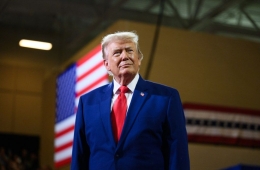
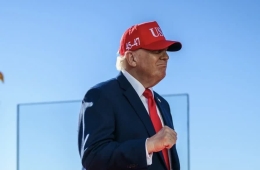
Meanwhile, U.S. President Donald Trump spoke with reporters on October 31 at his Mar-a-Lago residence in Florida about the Binance hack. "We're looking into it. I'm not worried," he said. "I don't know if North Korea was behind it, but if it was, we'll discuss the matter with North Korea."
© The Asia Business Daily. All rights reserved. Unauthorized AI training and use prohibited.