FATF to Intensively Review AML Implementation for Virtual Assets; South Korea Also Under Assessment
Results to Be Announced in June 2027... Review of Travel Rule and AML Implementation
Scam Response to Be Strengthened... North Korea and Iran Remain High-Risk Jurisdictions
The Financial Action Task Force (FATF) will conduct an intensive review of how countries are implementing international standards to prevent money laundering, fraud and sanctions evasion by criminal organizations exploiting virtual assets. South Korea is among the countries being assessed, and the review will examine the implementation and effectiveness of its anti-money laundering regime for virtual asset service providers.

According to the Financial Intelligence Unit (FIU) under the Financial Services Commission on November 1, the plan was approved at the first meeting of the 35th FATF Plenary, held from October 26 to 30 at the OECD headquarters in Paris, France. A five-agency delegation from South Korea attended, led by FIU Commissioner Lee Hyung-joo and including officials from the Ministry of Justice, the Ministry of Foreign Affairs, the Financial Supervisory Service and the Korea Institute of Finance.
In response to the growing use of virtual assets by criminal organizations, FATF decided to launch an in-depth analysis and strengthen follow-up reviews to close gaps in the implementation of international standards on virtual assets and virtual asset service providers. The analysis will examine how countries are implementing FATF Recommendation 15, which sets anti-money laundering obligations, including implementation and supervision of the Travel Rule requiring the provision of sender and recipient information when funds are transferred. The findings are scheduled to be formally announced at the FATF Plenary in June 2027.
South Korea was included in the in-depth analysis because its implementation of Recommendation 15 in the virtual asset sector was not assessed in the fourth round of FATF mutual evaluations. The FIU plans to use the review to examine the implementation and performance of its anti-money laundering regime for virtual assets, address gaps in the system and prepare proactively for the fifth round of mutual evaluations.
As the first step in its global roadmap to combat fraud, FATF also adopted a new report analyzing the full range of illicit financial flows linked to scam compounds. During preparation of the report, South Korea shared information on emerging types of scams that have recently increased in the country, their financial flows and response cases. In particular, it outlined the swift suspension of transactions suspected to be linked to crime and a whole-of-government cooperation system using the ASAP information-sharing and analysis platform among financial, telecommunications and investigative agencies.
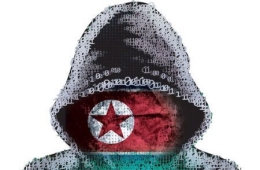
Measures against countries that fail to implement international standards also remain in place. FATF decided to maintain North Korea, Iran and Myanmar on its list of high-risk jurisdictions. The Democratic Republic of the Congo, Côte d'Ivoire, Bulgaria and Monaco, meanwhile, were removed from the list of jurisdictions under increased monitoring.
The Plenary adopted mutual evaluation reports on the measures taken by the United States and Mexico to combat money laundering, terrorist financing and proliferation financing. In their discussions, member countries reaffirmed the importance of imposing and supervising anti-money laundering obligations for designated non-financial businesses and professions (DNFBPs), such as lawyers and accountants, and of maintaining information on the beneficial owners of legal entities.
Commissioner Lee attended a meeting of the FATF Steering Group and emphasized the need to expand international cooperation against transnational organized crime and information sharing between the public and private sectors.
“Since most countries where major scam compounds have been identified lack the capacity to respond, technical assistance and capacity building must come first,” Lee said. “We also need to expand cooperation with international organizations such as Interpol and the United Nations Office on Drugs and Crime (UNODC).” He added, “Drawing on South Korea's experience in suspending suspicious transactions and sharing information across the private sector, we will contribute by advancing related initiatives.”
Hot Picks Today
 "Two Spend 500,000 Won in a Flash, Yet Wait Two Hours?" ... 'Dreamland' Shunned by Kids and Foreign Tourists
- The Era of Getting 200 Million Won After 30 Years Is Over... A Japanese Bank's "Perpetual Department Head" Who Just Clocked In Cries Out
- Spain Hit by Its Worst Tragedy... Lee Kangin, Moreno and Real Madrid Join Soccer World in Mourning
- They Said, “Make It Your Home for Life” - Then Suddenly Kicked 200 Passengers Off... What Happened to the Around-the-World Cruise?
- "130 Rice Bowls Sold Out in a Day"... 'Unfiltered Face' Adds 8 Million Won to Night Market Sales: China's Bungeunwoo
The next FATF Plenary is scheduled to be held in February 2027 at the OECD headquarters in Paris, France.
© The Asia Business Daily. All rights reserved. Unauthorized AI training and use prohibited.