"At Home Instead of a Nursing Home"... Monthly In-Home Care Benefit Limit for Seniors with Severe Needs to Rise by Up to 370,000 Won Next Year
In-home benefit limit raised to 100% of the maximum institutional care benefit
Long-term care insurance premium rate increased to 0.9994%
Starting next year, the monthly limit for long-term care in-home benefits for older adults with severe care needs who remain in their own homes instead of entering nursing homes or other facilities will rise substantially, by more than 370,000 won at most.

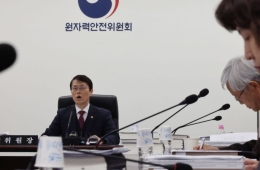
At its fifth meeting on October 30, the Long-Term Care Committee under the Ministry of Health and Welfare approved the 2027 initiatives to improve the long-term care system and a proposed insurance premium rate, which include these measures. The key is a structural shift to ensure that older adults are not pushed into one-size-fits-all facilities but can receive adequate care in the familiar surroundings of their own homes. To this end, the ministry substantially raised the monthly in-home benefit limits for older adults in Long-Term Care Grades 1 and 2, who have severe care needs, to 100% of the maximum monthly amount available for institutional care. As a result, next year's monthly limit for Grade 1 beneficiaries will increase by 378,500 won, from 2,512,900 won this year to 2,891,400 won. For Grade 2 beneficiaries, it will rise by 351,100 won, from 2,331,200 won this year to 2,682,300 won.
The increase will not only raise the benefit limits but also allow beneficiaries to use services more often. With the higher limit, Grade 1 beneficiaries who receive three-hour home-visit care will be able to receive care up to 48 times a month next year, up from the current maximum of 44 visits. To improve conditions for providing home-visit nursing, the additional payment per nurse visit will also rise from 3,000 won to 5,000 won, with no additional out-of-pocket costs for beneficiaries.
A more flexible care system tailored to actual needs on the ground will also be introduced, moving away from the rigid limits of existing home-visit care, which required caregivers to stay for three to four hours at a set time each day. A pilot program combining regular rounds with on-demand visits will be launched for older adults living alone and patients with severe care needs who have been discharged from hospital and require multiple brief visits throughout the day for help with tasks such as changing diapers and eating. Dedicated salaried care workers will be assigned under a monthly flat-fee system, providing close, comprehensive support through regular rounds and on-demand visits in emergencies such as falls.
In addition, a robust safety net will be established to prevent temporary gaps in care when family members are suddenly unavailable. To address the shortage of short-term care facilities in some areas, the ministry plans to introduce a special provision allowing nursing homes for older adults with high evaluation ratings to provide short-term care for up to 5% of their capacity.
To respond to the sharp rise in care needs and spending as the country enters a super-aged society, the long-term care insurance premium rate as a share of income will rise by 5.78% year on year, from 0.9448% this year to 0.9994% next year. The average monthly long-term care insurance premium per subscriber household is expected to increase by about 1,100 won, from 19,029 won this year to 20,129 won next year.
Hot Picks Today
 "Two Spend 500,000 Won in a Flash, Yet Wait Two Hours?" ... 'Dreamland' Shunned by Kids and Foreign Tourists
- The Era of Getting 200 Million Won After 30 Years Is Over... A Japanese Bank's "Perpetual Department Head" Who Just Clocked In Cries Out
- Spain Hit by Its Worst Tragedy... Lee Kangin, Moreno and Real Madrid Join Soccer World in Mourning
- They Said, “Make It Your Home for Life” - Then Suddenly Kicked 200 Passengers Off... What Happened to the Around-the-World Cruise?
- "130 Rice Bowls Sold Out in a Day"... 'Unfiltered Face' Adds 8 Million Won to Night Market Sales: China's Bungeunwoo
The Ministry of Health and Welfare will also use the additional funds to actively improve the poor working conditions of frontline care workers. To ensure smooth service delivery even in areas with long travel distances, such as islands and remote regions, transportation allowances for long-distance travel, which have been frozen since 2014, will be increased by 30% across all distance brackets. The ministry also plans to raise the reimbursement surcharge rate to 60% when home-visit care is provided on paid holidays and to incorporate weekly holiday allowances into the reimbursement rate for all-day home-visit care, supporting stable working conditions for care workers in the field.
© The Asia Business Daily. All rights reserved. Unauthorized AI training and use prohibited.