Ueda, BOJ Governor: "Risk of Inflation Exceeding 2%"... Signals Further Rate Hike
Underlying inflation has largely reached the 2% target
警惕 inflation could exceed the target
Reaffirms intention to maintain the "rate-hike" stance
Kazuo Ueda, governor of the Bank of Japan (BOJ), said the decision to keep the benchmark interest rate unchanged reflected the assessment that inflation had reached the 2% target, but expressed concern that it could exceed that level going forward. He also reaffirmed the BOJ’s intention to continue raising interest rates, as keeping inflation around 2% has become increasingly important.
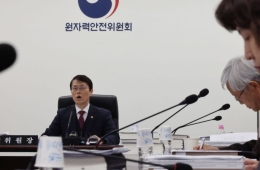
At a press conference on October 30 after the Monetary Policy Meeting, Ueda said, “Underlying inflation is at a level consistent with the 2% target and is expected to remain around that level going forward.” He added that all nine Policy Board members agreed with the assessment that inflation was consistent with the 2% target.

Bank of Japan (BOJ) Governor Ueda Kazuo speaks at a press conference following a BOJ policy meeting in Tokyo, Japan, on the 30th. Tokyo, Japan = Reuters-Yonhap.
View original imageThis is interpreted as meaning that underlying inflation has generally reached the BOJ’s 2% target, which it has pursued since 2013 through highly accommodative monetary policy. To escape deflation, the BOJ sought to drive up prices, including through large-scale government bond purchases, beginning under former Governor Haruhiko Kuroda. Now, however, the BOJ needs to be wary of inflation exceeding the 2% target amid domestic and external economic conditions, including rising energy prices due to the situation in the Middle East and wage increases.
“Going forward, it will be important to stabilize inflation at around 2%,” Ueda said, assessing that the risks to the inflation outlook were tilted to the upside rather than the downside. He added, “Upside risks remain high, but they have not increased significantly compared with a month ago.”
He also reaffirmed the BOJ’s intention to continue raising interest rates in light of these conditions. “We will continue to raise the policy rate and adjust the degree of monetary easing,” he said. He did not specify the timing or pace of future increases, adding that the BOJ would make its decisions after assessing the effects of exchange rate fluctuations and other factors on the economy and prices.
Hot Picks Today
 "Two Spend 500,000 Won in a Flash, Yet Wait Two Hours?" ... 'Dreamland' Shunned by Kids and Foreign Tourists
- The Era of Getting 200 Million Won After 30 Years Is Over... A Japanese Bank's "Perpetual Department Head" Who Just Clocked In Cries Out
- Spain Hit by Its Worst Tragedy... Lee Kangin, Moreno and Real Madrid Join Soccer World in Mourning
- They Said, “Make It Your Home for Life” - Then Suddenly Kicked 200 Passengers Off... What Happened to the Around-the-World Cruise?
- "130 Rice Bowls Sold Out in a Day"... 'Unfiltered Face' Adds 8 Million Won to Night Market Sales: China's Bungeunwoo
Regarding the decision to keep rates unchanged, he said it was made because “we determined that we needed to monitor risks surrounding the economic and price outlook, as well as financial conditions, more closely.” The BOJ raised its policy rate to 1.25% per year in September and decided at its meeting on October 30 to leave it unchanged.
© The Asia Business Daily. All rights reserved. Unauthorized AI training and use prohibited.