Is the 'Tank Day' Fallout Not Over Yet? Starbucks Store in Gwangju Finally Closes
Two-story store at the entrance to Mudeungsan opened in 2017
Boycott spread after marketing controversy on May 18 anniversary
Closed after its final day of business on the 29th
Lease expiration cited as reason for closure
Starbucks Korea, which faced a boycott after using the phrase "Tank Day" on the anniversary of the May 18 Democratization Movement, has closed a large store in Gwangju for the first time since the controversy. As card spending, which plunged after the controversy, has recently shown signs of recovery, the closure of a major store in Gwangju has drawn renewed attention.

On June 22, Starbucks Korea closed all its stores at 3 p.m. to provide store partners with training on historical awareness and social sensitivity. This was the first time all stores nationwide had closed early at the same time since the company opened its first store in Korea in 1999. Photo by Kang Jinhyung
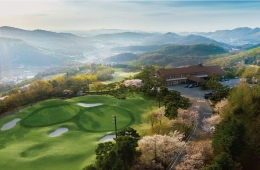
View original imageAccording to Starbucks Korea and other sources on October 30, Starbucks Gwangju Jisan Yuwonji Ipgu, located near the entrance to Mudeungsan National Park in Sansu-dong, Dong-gu, Gwangju, ceased operations on October 29. Opened in 2017, the store was a large outlet in a standalone, two-story commercial building. It served not only nearby residents but also hikers and tourists visiting Mudeungsan.
The closure is reportedly due to the expiration of the store's lease. A Starbucks representative said, "The store is closing because its lease has expired. It had been scheduled to close last year, but its lease was extended for one year. We plan to open a new store, Gwangju Sangmu, in September."
Starbucks Korea came under intense criticism after using the phrase "Tank Day" for a tumbler discount promotion on May 18, the 46th anniversary of the May 18 Democratization Movement. Critics said the wording evoked the tanks used by martial law troops to violently suppress civilians in Gwangju in May 1980. The backlash, which began mainly in the Gwangju area, spread nationwide through online platforms and social media, fueling a boycott.
As the controversy grew, Shinsegae Group dismissed the head of Starbucks Korea and issued a public apology. Starbucks also moved to contain the fallout, suspending the launch of new summer products and promotional events. It went further on June 22, closing stores nationwide early and holding training sessions on historical awareness and social sensitivity for employees.
Hot Picks Today
 "Two Spend 500,000 Won in a Flash, Yet Wait Two Hours?" ... 'Dreamland' Shunned by Kids and Foreign Tourists
- The Era of Getting 200 Million Won After 30 Years Is Over... A Japanese Bank's "Perpetual Department Head" Who Just Clocked In Cries Out
- Spain Hit by Its Worst Tragedy... Lee Kangin, Moreno and Real Madrid Join Soccer World in Mourning
- They Said, “Make It Your Home for Life” - Then Suddenly Kicked 200 Passengers Off... What Happened to the Around-the-World Cruise?
- "130 Rice Bowls Sold Out in a Day"... 'Unfiltered Face' Adds 8 Million Won to Night Market Sales: China's Bungeunwoo
However, the effects of the controversy did not fade quickly. They were first reflected in card spending figures. According to data from Mobile Index, operated by AI technology company IGAWorks, estimated credit and debit card spending at Starbucks fell from KRW 134.32 billion in April to KRW 121.19 billion in May. It then dropped to KRW 100.39 billion in June, a decline of about KRW 33.93 billion in two months. As rival brand Twosome Place made significant gains over the same period, Starbucks lost its position as the coffee brand with the highest card spending in Korea for four consecutive months, from May through August.

More recently, however, signs of recovery have become clear. Starbucks gradually resumed launching new products and offering customer benefits starting in July, and estimated card spending rose to KRW 110.06 billion in July and KRW 116.12 billion in August. In September, it reached KRW 121.08 billion, up 4.3% from the previous month, putting Starbucks about KRW 10.58 billion ahead of Twosome Place, at KRW 110.5 billion. About five months after the "Tank Day" controversy, Starbucks regained the top spot in the industry based on card spending.
© The Asia Business Daily. All rights reserved. Unauthorized AI training and use prohibited.