Democratic Party Seeks Industry Input on Virtual Asset Taxation, Vows to "Finalize Position Soon"
Meeting with Virtual Asset Service Providers
Emphasizes Digital Asset Basic Act with a Market Development Strategy
The Democratic Party of Korea is gathering opinions from virtual asset service providers as it continues discussions on whether to further postpone taxation on virtual assets, which is scheduled to take effect in January 2027.
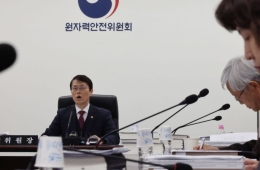
Kwon Chilseung, chair of the Democratic Party’s Policy Committee, said at a meeting with virtual asset service providers held at the National Assembly on October 30, “We need to quickly resolve the uncertainty surrounding taxation. Leaving market uncertainty unaddressed any longer will impose a significant cost on both the market and investors. Based on the views from the front lines shared by the industry, we will finalize the party’s position as soon as possible.”
Kwon said, “While there is a principled view that taxation should take effect as scheduled, in line with the principle that income should be taxed, the market also argues that a further postponement is inevitable because the institutional and practical infrastructure for taxation is inadequate. There are concerns that taxation before the necessary preparations are in place could become not fair taxation, but a penalty and source of confusion for compliant taxpayers.”

Kwon Chilseung, chair of the Democratic Party of Korea’s Policy Committee, exchanges greetings with Kim Jaejin, standing vice chairman of the Digital Asset Exchange Alliance (DAXA), at a meeting with virtual asset service providers hosted by the party’s Policy Committee and Finance and Economy Committee members at the National Assembly Members’ Office Building on the 30th. Photo by Yoon Dongju
View original imageJo Seungrae, chair of the Finance and Economy Committee and a Democratic Party lawmaker, said, “We previously reported that we would prepare and publish the proposed notice by the end of October. At a ruling party-government consultation a few days ago, we said it would be better to postpone the notice until a conclusion was reached, and I understand the government will do so.”
He added, “The party raised concerns with the government about the lack of a comprehensive strategy for developing the virtual asset market, and the Ministry of Finance and Economy agreed to draw up a comprehensive plan.”
Hot Picks Today
 "Two Spend 500,000 Won in a Flash, Yet Wait Two Hours?" ... 'Dreamland' Shunned by Kids and Foreign Tourists
- The Era of Getting 200 Million Won After 30 Years Is Over... A Japanese Bank's "Perpetual Department Head" Who Just Clocked In Cries Out
- Spain Hit by Its Worst Tragedy... Lee Kangin, Moreno and Real Madrid Join Soccer World in Mourning
- They Said, “Make It Your Home for Life” - Then Suddenly Kicked 200 Passengers Off... What Happened to the Around-the-World Cruise?
- "130 Rice Bowls Sold Out in a Day"... 'Unfiltered Face' Adds 8 Million Won to Night Market Sales: China's Bungeunwoo
On the same day, Democratic Party lawmaker Min Byungdeok said at a forum titled “When Will the 2027 Virtual Asset Tax Deferral Take Effect?”: “We will establish investor protections and trading standards through the Digital Asset Basic Act, while also securing the data needed for taxation and improving the relevant systems. An indefinite postponement is not the answer either. The National Assembly and the government must clearly inform the public of the remaining tasks and their deadlines.”
© The Asia Business Daily. All rights reserved. Unauthorized AI training and use prohibited.