"Carcinogens Found in 99 of 105 Liquid E-Cigarettes"... New Products to Undergo Harmful-Substance Tests Within a Month
First-ever test of harmful substances in tobacco products in South Korea
Detected in all three types, including conventional cigarettes and heated tobacco products
Government also considers testing before price reporting
In the first-ever test of harmful substances in tobacco products in South Korea, a range of human carcinogens, including formaldehyde, were detected not only in conventional cigarettes but also in heated tobacco products and liquid e-cigarettes. The government will require manufacturers to commission harmful-substance tests for new tobacco products within one month of their launch and will expand the substances and types of tobacco products subject to testing.
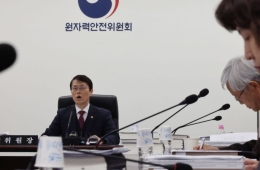
On October 29, the Ministry of Health and Welfare and the Ministry of Food and Drug Safety released the test results for 465 tobacco products distributed in South Korea after deliberations by the Tobacco Harmful Substances Management Policy Committee. They also finalized the First Basic Plan for Tobacco Harmful Substances Management (2027–2031). This marks the first release of test results since the Tobacco Harmful Substances Management Act took effect in November 2025, as well as the first five-year management plan.
The tests covered 256 conventional cigarettes, 104 heated tobacco products, and 105 liquid e-cigarettes from 20 manufacturers and importers. The tests examined 44 substances in conventional cigarettes, 44 in heated tobacco products, and 20 in liquid e-cigarettes, analyzing 46 distinct substances after excluding duplicates.
The results showed that formaldehyde, a Group 1 human carcinogen classified by the International Agency for Research on Cancer (IARC), was detected in all three product types. In particular, formaldehyde was detected in 99 of the 105 liquid e-cigarettes tested. Benzene, 1,3-butadiene, cadmium, and benzo[a]pyrene were detected in conventional cigarettes. The tobacco-specific nitrosamines NNN and NNK, as well as benzo[a]pyrene, were found in heated tobacco products, while NNN, NNK, and arsenic were detected in some liquid e-cigarettes.
Nicotine levels in conventional cigarettes ranged from 0.8 to 2.6 mg per stick, and tar levels from 11.7 to 40.4 mg. In heated tobacco products, nicotine levels ranged from 0.1 to 1.2 mg and tar levels from 10.3 to 32.0 mg. Nicotine levels in liquid e-cigarettes ranged from 5.7 to 20.0 mg per gram of liquid.

The government stressed that test results alone should not be used to conclude that a particular tobacco product is less harmful than another. For conventional cigarettes and heated tobacco products, emissions generated during use were collected and measured per stick, while liquid e-cigarettes were tested by analyzing the liquid itself, making direct comparisons difficult. Nor does a lower detected amount, or a result below the analytical equipment's quantification limit, necessarily mean that the health risk is lower.
Alongside the release of these results, the government plans to strengthen its system for managing harmful substances in tobacco products. Under the basic plan, the number of substances tested in conventional cigarettes and heated tobacco products will rise from 44 in 2025 to around 50 by 2030, while the number for liquid e-cigarettes will increase from 20 to around 30. Smokeless tobacco, cigars, and waterpipe tobacco, which were not covered by the existing testing program, will also be included. Following amendments to the relevant law, synthetic nicotine tobacco products are scheduled to undergo testing for harmful substances, with the results to be released starting next year.
Hot Picks Today
 "Two Spend 500,000 Won in a Flash, Yet Wait Two Hours?" ... 'Dreamland' Shunned by Kids and Foreign Tourists
- The Era of Getting 200 Million Won After 30 Years Is Over... A Japanese Bank's "Perpetual Department Head" Who Just Clocked In Cries Out
- Spain Hit by Its Worst Tragedy... Lee Kangin, Moreno and Real Madrid Join Soccer World in Mourning
- They Said, “Make It Your Home for Life” - Then Suddenly Kicked 200 Passengers Off... What Happened to the Around-the-World Cruise?
- "130 Rice Bowls Sold Out in a Day"... 'Unfiltered Face' Adds 8 Million Won to Night Market Sales: China's Bungeunwoo
The timing of tests for new products will also be brought forward. Under the current system, manufacturers must commission testing within six months after the start of the year following the launch of sales. Going forward, they will have to do so within one month of the start of sales. The Ministry of Food and Drug Safety said this would bring testing forward by up to 17 months. In the medium to long term, the government is also considering requiring tests to be commissioned before new products' prices are reported.
© The Asia Business Daily. All rights reserved. Unauthorized AI training and use prohibited.