ACRC Seeks Liability-Mitigation Cooperation After 'Coupang Blacklist' Whistleblowers Referred to Prosecutors
The Public Interest Whistleblower Protection Act allows requests for mitigation
But requests cannot be made to investigative agencies or the Prosecution Office
"We will seek cooperation and establish a legal basis"
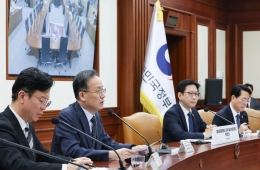
The Anti-Corruption and Civil Rights Commission (ACRC) has requested that the former employees referred to prosecutors over their public-interest disclosure of an alleged Coupang blacklist be considered for mitigation of liability.

The ACRC said on Oct. 29 that it had asked the Gyeonggi Suwon District Prosecution Office to consider mitigating the liability of two public-interest whistleblowers, including one identified as A, who were referred on suspicion of violating the Act on Promotion of Information and Communications Network Utilization and Information Protection during the whistleblowing process.
In 2024, A and the other whistleblower reported to the ACRC allegations that Coupang had created a blacklist of employees in violation of the Labor Standards Act and other laws. Coupang later filed a complaint against them on suspicion of violating the Act on Promotion of Information and Communications Network Utilization and Information Protection, among other charges, but withdrew it.
However, the investigation continued because violations of the Act on Promotion of Information and Communications Network Utilization and Information Protection are not subject to the rule that prosecution cannot proceed against a victim's wishes. A and the other whistleblower were referred to the Prosecution Office on Oct. 26 with a recommendation to indict. Such offenses cannot be prosecuted if the victim states that they do not want the offender punished.
Article 14 of the Public Interest Whistleblower Protection Act stipulates that the ACRC may ask a person with disciplinary authority or an administrative authority to mitigate disciplinary action or an administrative disposition for a public-interest whistleblower's unlawful conduct, or submit an opinion supporting mitigation of criminal punishment to a court handling a related case.
However, critics have pointed out that a gap in whistleblower protection exists because current regulations do not provide a basis for requesting mitigation of liability when a public-interest whistleblower is investigated by police or referred to the Prosecution Office.
In response, the ACRC plans to seek cooperation from investigative agencies, including the police, and the Prosecution Office so that the purpose of the liability mitigation system can be reflected when a public-interest whistleblower is investigated. It also plans to establish a legal basis for the ACRC to request liability mitigation for public-interest whistleblowers from investigative agencies and the Prosecution Office.
Hot Picks Today
 "They Blocked China's Chips, and It Became a 'Value-for-Money Monster'..." China's Counterattack, Copying the U.S. and Selling It for Peanuts [China Shock, K-Industry on the Brink | AI] 1
- "7-Minute Zombie Horror Show" Gets Humiliating One-Star Rating... Musk's AI Odyssey Takes Aim at Nolan
- "Could That Really Be a Teacher at Our School?"... Japanese Teacher Caught Appearing in Adult Video Gives Bizarre Explanation
- "Two Spend 500,000 Won in a Flash, Yet Wait Two Hours?" ... 'Dreamland' Shunned by Kids and Foreign Tourists
ACRC Chair Jeong Ilyeon said, "The ACRC, which oversees the protection of whistleblowers, has a responsibility to do everything possible to prevent them from being exposed to risks such as criminal punishment simply because they found the courage to report wrongdoing. We will continue to provide public-interest whistleblowers with stronger and more substantive protection."
© The Asia Business Daily. All rights reserved. Unauthorized AI training and use prohibited.