Remote ICUs Expand to Seoul... AI to Support Critical Care at Regional Hospitals
Collaboration with Samsung Medical Center, Seoul Medical Center, and others to begin in November
Three AI technologies, including patient deterioration prediction, to be introduced
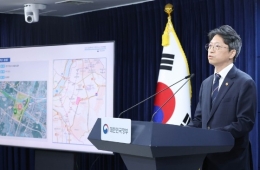
The remote intensive care unit (e-ICU), which remotely monitors the condition of patients in regional hospital ICUs and supports consultations with specialists at hub hospitals, is expanding to Seoul.

The Ministry of Health and Welfare announced on October 29 that it is expanding its project to establish a collaborative network of remote ICUs. Following the Gangwon and Chungbuk regions, services will begin in the Seoul region on November 1. Including the existing Gyeonggi and Incheon regions, remote ICUs will now operate in four regions nationwide.
The remote ICU project uses information and communications technology (ICT) to connect the ICUs of regional hub hospitals with those of partner hospitals. Integrated control centers at hub hospitals remotely monitor the condition of critically ill patients at partner hospitals and identify signs of deterioration. They also facilitate consultations and collaboration among medical staff and, when necessary, support swift decisions on transferring patients.
Prompt responses from specialized medical staff are crucial to intensive care, but clinical capabilities vary among medical institutions. According to the Fourth Assessment of ICU Quality, the rate of deployment of dedicated ICU specialists was 100% at tertiary general hospitals, compared with just 37.6% at general hospitals. The gap was also wide in assessment scores: tertiary general hospitals scored 95.3 points, while general hospitals scored 63.8.
In the Seoul region, Samsung Medical Center will serve as the hub, with Seoul Medical Center, Seoul Metropolitan Government Seonam Hospital, and Hyemin Hospital participating. The project focuses on establishing a collaborative system between a tertiary general hospital and public and private general hospitals, and strengthening patient monitoring and remote consultations using artificial intelligence (AI). Three AI technologies will be introduced: predicting the deterioration of patients' conditions, analyzing biometric data from images, and summarizing consultation content using speech recognition. The technologies are intended to help medical staff quickly identify changes in patients' conditions and efficiently share information related to their care.
The Gangwon and Chungbuk regions began operations on October 1. Wonju Severance Christian Hospital serves as the hub, with Wonju Medical Center and Chungju Medical Center participating. This is the first case in which a collaborative system has been established across administrative boundaries based on the areas where patients actually seek medical care. The system provides specialized clinical consultations and patient monitoring to partner hospitals that do not have dedicated ICU specialists.
The existing remote ICUs in the Gyeonggi and Incheon regions have also produced results. In 2025, they monitored patients' conditions 63,991 times and conducted 240 remote consultations. In particular, they cut the average time required to decide on patient transfers from 175 minutes to 90 minutes, a reduction of about 48.6%. Through September 2026, they had recorded 43,389 patient monitoring sessions and 259 remote consultations. They also supported 51 transfers to hub hospitals and 20 returns to regional hospitals for patients whose conditions had improved. From the start of the project last year through September 2026, the total number of patient monitoring sessions reached 107,380, while remote consultations totaled 499.
Hot Picks Today
 "Two Spend 500,000 Won in a Flash, Yet Wait Two Hours?" ... 'Dreamland' Shunned by Kids and Foreign Tourists
- The Era of Getting 200 Million Won After 30 Years Is Over... A Japanese Bank's "Perpetual Department Head" Who Just Clocked In Cries Out
- Spain Hit by Its Worst Tragedy... Lee Kangin, Moreno and Real Madrid Join Soccer World in Mourning
- They Said, “Make It Your Home for Life” - Then Suddenly Kicked 200 Passengers Off... What Happened to the Around-the-World Cruise?
- "130 Rice Bowls Sold Out in a Day"... 'Unfiltered Face' Adds 8 Million Won to Night Market Sales: China's Bungeunwoo
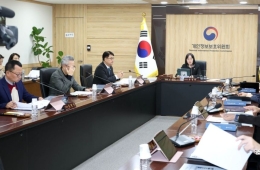
The Ministry of Health and Welfare plans to support the stable operation of the new regions and continue monitoring the operational results and performance of all four regions. Choi Kyungil, the ministry's director for advanced medical support, said, "The remote ICU project helps regional medical institutions improve their capacity to treat critically ill patients by drawing on the expertise of hub hospitals. We will continue to strengthen collaboration among hospitals so that patients in regional areas can receive appropriate intensive care in a timely manner."
© The Asia Business Daily. All rights reserved. Unauthorized AI training and use prohibited.