EU Set to Drop Plan to Grant Canada "Associate Member" Status as Germany, France and Others Oppose
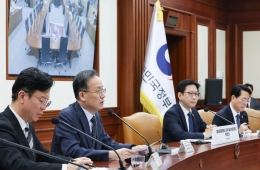
The European Union (EU) is expected to abandon plans to grant Canada “associate member” status, after major member states, including Germany and France, opposed the move, citing a lack of legal basis.

According to Politico Europe and other outlets on October 28 (local time), all references to Canada’s “associate member” status have been removed from a draft joint declaration that the EU and Canada are set to announce at their summit on October 29-30. Instead, the declaration says the two sides will work to build an “ever closer association.”
The summit comes about a month after European Commission President Ursula von der Leyen proposed that Canadian Prime Minister Mark Carney make Canada the EU’s first associate member in her annual policy address to the European Parliament last month.
However, Germany, along with France, Italy and Greece, had opposed the proposal, arguing that there was no legal basis or precedent for recognizing associate member status under the EU framework. The relevant wording was reportedly removed from the draft joint declaration following opposition from these countries.
Hot Picks Today
 "They Blocked China's Chips, and It Became a 'Value-for-Money Monster'..." China's Counterattack, Copying the U.S. and Selling It for Peanuts [China Shock, K-Industry on the Brink | AI] 1
- "7-Minute Zombie Horror Show" Gets Humiliating One-Star Rating... Musk's AI Odyssey Takes Aim at Nolan
- "Could That Really Be a Teacher at Our School?"... Japanese Teacher Caught Appearing in Adult Video Gives Bizarre Explanation
- "Two Spend 500,000 Won in a Flash, Yet Wait Two Hours?" ... 'Dreamland' Shunned by Kids and Foreign Tourists
As its relationship with the United States has deteriorated, Canada has been seeking to reduce its trade dependence on the U.S. and expand cooperation with Europe. Prime Minister Carney is said to favor “an alliance for the future” as a way of describing the relationship between the two sides. However, he has maintained that it is up to the EU to decide what to call the relationship, and that what matters is the substance of their cooperation.
© The Asia Business Daily. All rights reserved. Unauthorized AI training and use prohibited.