European Allies Concerned by South Korea's Tilt Toward Russia
European Diplomats Based in Seoul
Concerned About Arctic Shipping Route and Petroleum Product Shipments to Russia
Foreign Ministry Counters: "Claims of a Pro-Russia Tilt Are Untrue"
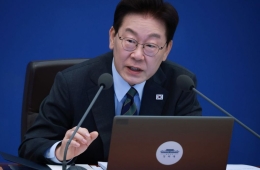
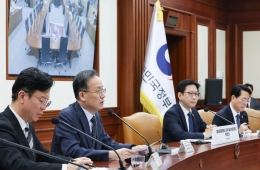
Major foreign media outlets reported on October 28 local time that European allies are increasingly concerned about South Korea's efforts to improve relations with Russia while putting its national interests first.
The outlets cited South Korea's pilot voyage along the Arctic shipping route and the shipment of more than 176,000 tons of petroleum products from South Korea to Russia in July and August this year. They also reported that some European diplomats are questioning whether South Korea is a reliable partner among like-minded countries that share economic and security interests.

European diplomats view South Korea's operation of the Arctic shipping route, which requires Russian cooperation, as a symbolic example of the country leaning toward Russia diplomatically and commercially. European officials also cited what they described as lax controls on exports to Russia of computer numerical control (CNC) machines that could be used to manufacture military supplies as a source of dissatisfaction.
The outlets also pointed to a confidential meeting in November 2025 between an organization affiliated with South Korea's National Intelligence Service and a Russian think tank, as well as the recent appointment of Song Young-gil, former leader of the Democratic Party of Korea, as a special adviser for peace diplomacy, as examples of efforts to improve South Korea-Russia relations.
In response, South Korea's Ministry of Foreign Affairs said, "Some concerns that South Korea is leaning too far toward Russia are not based on fact. As a responsible member of the international community, the South Korean government supports and participates in international efforts to end the war in Ukraine and restore peace."
Experts interpreted the current administration's Russia policy as pragmatic diplomacy centered on national interests rather than a shift to a pro-Russian stance.
Hot Picks Today
 "Three times Lee Jaeyong's fortune?"... Meet China's richest man, who amassed 134 trillion won at 43.
- "What Happened to Mighty Tesla?"... "Cut Your Exposure," Analysts Warn [Click eStock]
- "I Made an Extra 6 Million Won a Month"... "This Can Actually Make Money?" The Twist Behind a Few Pieces of Junk
- "27,000 Won for an Hour of Walking?"... Robot Dog-Walking Jobs in the U.S. Now Pay by the Hour
- "If You See It, Avoid It"... 'Superfood' Fruit Kills 12-Day-Old Baby
Kim Se-mi, a research fellow at the Asan Institute for Policy Studies, said, "The Lee Jae-myung administration is moving away from values-based diplomacy and pursuing a pragmatic, interest-centered approach. This also reflects a longstanding tradition in South Korean diplomacy of viewing Russia as a neighbor that cannot be ignored or treated as an enemy."
© The Asia Business Daily. All rights reserved. Unauthorized AI training and use prohibited.