Artiva, GC Cell Technology Licensee, Halts NK Therapy Development... 2 Deaths, 94% Workforce Cut
Two deaths in Phase 2a... One possibly linked to fludarabine neurotoxicity
Response durability also fell short of benchmark... Phase 3 plans scrapped
Holds $320 million in cash... Considers merger, asset sale, or liquidation
GC Cell has halted development of AlloNK (AB-101), an autoimmune disease treatment being developed by U.S.-based Artiva Biotherapeutics, which received GC Cell's natural killer (NK) cell technology. The decision followed the deaths of two patients in a Phase 2a trial and the treatment's failure to meet the company's benchmark for durability of response. Concerns are growing that safety issues could spread across the field of autoimmune cell therapies that use pre-treatment regimens to deplete lymphocytes.

Artiva announced the decision on October 27 (local time) in a press release and filings with the U.S. Securities and Exchange Commission (SEC). The trial in question was a Phase 2a study in patients with B-cell-mediated autoimmune diseases, including rheumatoid arthritis, who received AlloNK in combination with the antibody treatment rituximab.
The first patient died after developing leukoencephalopathy following the trial treatment. Investigators and an independent safety review concluded that the condition was most likely caused by the neurotoxicity of fludarabine, a chemotherapy drug used to deplete lymphocytes before treatment. After being notified of the case, the U.S. Food and Drug Administration (FDA) requested that the company pause patient enrollment and dosing in the Phase 2a trial, and the company also halted its planned Phase 3 trial. The second patient died suddenly about two months after starting treatment. The investigator determined that the death was unrelated to AlloNK, but the cause of death could not be confirmed.
Artiva also cited the durability of the treatment's effects as a reason for the halt. Although deep B-cell depletion and clinical responses were consistent with previous reports, long-term follow-up showed that the duration of response fell short of the benchmark the company had set for continuing development. The company said it had considered the risks and benefits, the outlook for delays in patient enrollment, and the potential for commercialization. All ongoing clinical trials will be wound down without further dosing.
Hot Picks Today
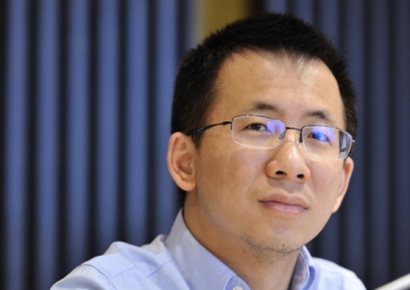 "Three times Lee Jaeyong's fortune?"... Meet China's richest man, who amassed 134 trillion won at 43.
- "What Happened to Mighty Tesla?"... "Cut Your Exposure," Analysts Warn [Click eStock]
- "I Made an Extra 6 Million Won a Month"... "This Can Actually Make Money?" The Twist Behind a Few Pieces of Junk
- "27,000 Won for an Hour of Walking?"... Robot Dog-Walking Jobs in the U.S. Now Pay by the Hour
- "If You See It, Avoid It"... 'Superfood' Fruit Kills 12-Day-Old Baby
The company plans to reduce its workforce by about 94% and consider strategic alternatives, including a merger, business combination, asset sale or licensing, dissolution, or liquidation. Its adviser is Leerink Partners. As of last month, it had about $319.1 million in cash, cash equivalents, and investments (approximately KRW 423.6 billion). The company also canceled an investor webcast and a presentation at the American College of Rheumatology (ACR) annual meeting, both scheduled for November 9. Artiva shares fell 30.5% on the U.S. stock market on October 27.
© The Asia Business Daily. All rights reserved. Unauthorized AI training and use prohibited.