Ruling Party Mega Growth Committee Discusses University-Centered Regional Growth Strategy... Seeks Separate Panel for Super-Regional Special Zone Act
Use universities' idle land and reserve funds to link businesses and cities
Lee Kwang-jae: "Turn universities into cities combining jobs and housing"
Kwon Chil-seung: "Bipartisan consultation needed"
The Democratic Party of Korea’s Mega Growth Special Committee met with the government on Oct. 26 to discuss regional growth strategies linking universities, businesses and cities, as well as plans to advance the Super-Regional Special Zone Act. The participants explored ways to use universities’ idle land and reserve funds for regional development, while planning to pursue the legislation by forming a separate special committee in the National Assembly.
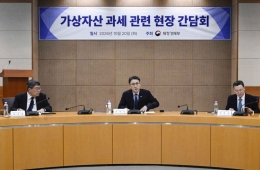
The party’s Mega Growth Special Committee held a meeting titled “Report on Mega Growth Strategy Plans” at the National Assembly Members’ Office Building on Oct. 26, with officials from the Ministry of Trade, Industry and Energy and the Office for Government Policy Coordination in attendance. The party was represented by Floor Leader Han Byeong-do, Assemblyman Lee Kwang-jae, the committee’s senior vice chair, and Kwon Chil-seung, chair of the party’s policy committee and the committee’s standing vice chair.

The Democratic Party of Korea's Mega Growth Special Committee held a workshop at the National Assembly Members' Office Building on Sept. 22. Kwon Chil-seung, the party's policy committee chair, delivers opening remarks at the event. Sept. 22, 2026. Photo by Yoon Dong-ju
View original image“The core of the Mega Growth Strategy is to connect universities, businesses and cities to create regional growth engines,” Han said, stressing that universities should be used as regional growth hubs.
“The 246 universities own educational land outside their campuses totaling about 70 times the size of Yeouido,” he said. “The land that universities themselves have reported as unused alone amounts to nearly seven times the size of Yeouido, while land owned by private university corporations in restricted development zones has been confirmed to total three times the size of Yeouido.”
He also stressed the need to put university resources to timely use, noting that private universities hold more than 12 trillion won in reserve funds and that, according to their reserve fund management plans, 46% of the balances are not scheduled to be used until more than 10 years from now. “I ask you to pool your wisdom so that, when universities are viewed as mega-special zones, they can become engines of regional growth rather than islands in the middle of cities,” Han said.
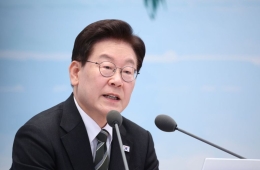
“For a long time, I have been considering whether universities can become job-creating powerhouses, residential communities for young people, and compact cities with cultural and medical services,” Lee said, stressing the need to develop a university-centered regional growth model.
Kwon said, “The nation’s development strategy centered on the Seoul metropolitan area has reached its limits.” He added, “The task before us is to create an organic ecosystem in each region encompassing industry, the economy, culture and education, and thereby harmonize regional development with national development.” Shortly after the meeting, he told reporters that the party would seek to establish a separate National Assembly special committee to advance legislation on the Super-Regional Special Zone Act.
“Since we are setting up a special committee to handle the legislation separately, the Mega Special Zone Act is no longer in the hands of the Trade, Industry, Energy, SMEs and Startups Committee or the Political Affairs Committee,” Kwon said. He explained that the committee’s formation “must be discussed between the two parties.” Asked when it would be established, he said, “We should do it as soon as possible.”
Hot Picks Today
 "Didn't Save This Money to Leave to Our Kids?"... Retired Couples Spend $10,000 on a Single Trip
- "300,000 Won Grant" Shelved at Chuseok to Go to All Residents After All... This City Says It Will Pay Before Lunar New Year
- "Just sending a wedding invitation feels a bit awkward"... Engaged couples treat others to meals nearly 11 times before the wedding
- Friend Who Went Abroad Goes "Silent"... 617 South Koreans Out of Contact, What's Going On?
- "Stockpile 9 Liters of Bottled Water and Three Days' Worth of Food"... UK on Edge as Nationwide Emergency Preparedness Alert Issued
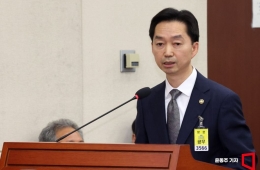
The government presented the results of each ministry’s review of regional growth policy measures. Park Dong-ik, vice minister of the Ministry of Trade, Industry and Energy, said, “We will work to flesh out feasible measures one by one and ensure they lead to tangible policy outcomes,” adding that consultations among the relevant ministries would continue.
© The Asia Business Daily. All rights reserved. Unauthorized AI training and use prohibited.