"300,000 Won Grant" Shelved at Chuseok to Go to All Residents After All... This City Says It Will Pay Before Lunar New Year
Dangjin City Council Passes Ordinance as Amended
Plans to Allocate 53 Billion Won in Next Year’s Budget
Debate Over Fiscal Burden Continues
Dangjin, South Chungcheong Province, is again pursuing a plan to provide an economic recovery grant of 300,000 won per resident before next year’s Lunar New Year holiday. The plan was shelved after opposition from the city council when it was proposed ahead of this year’s Chuseok holiday. The initiative is expected to gain momentum after the council passed an ordinance specifying eligibility requirements and post-payment evaluation procedures. However, whether the grants will actually be paid depends on the outcome of deliberations on next year’s budget proposal.

Grant Plan Rejected Ahead of Chuseok Passes Ordinance Again
According to Dangjin City and the city council on the 26th, the council passed the “Ordinance on Support for Economic Recovery Grants in Dangjin City” at the second plenary session of its 131st extraordinary session on the 23rd. Of the 13 members present, 12 voted in favor, while Kim Yeon-gyeong of the People Power Party abstained. Jeon Yeong-ok, chair of the Industry and Construction Committee, reportedly also effectively abstained by not pressing the button to register her presence.
Dangjin City had previously pursued a plan in August to provide 300,000 won per resident ahead of the Chuseok holiday, but the ordinance was rejected in a city council vote, with seven votes in favor and seven against. In the council, where the ruling and opposition parties each hold seven seats, five of the seven People Power Party members who had opposed the plan voted in favor this time, allowing the ordinance to pass.
The newly passed ordinance specifies the eligibility requirements for the economic recovery grants. It allows payments in situations where a recession or rising prices threaten to weaken the livelihoods of residents; where worsening employment conditions and rising unemployment increase residents’ financial burdens; and where declining consumption and deteriorating conditions for small businesses reduce the vitality of the local economy. Situations with a significant impact on the local economy, such as disasters or the large-scale closure or relocation of businesses, are also included among the eligibility requirements.
About 174,000 Eligible; 53 Billion Won to Be Budgeted
Dangjin City plans to allocate 53 billion won for the economic recovery grants in next year’s budget proposal, with the aim of distributing them before next year’s Lunar New Year holiday. About 174,000 people will be eligible, including Dangjin residents registered in the city and foreign nationals such as marriage migrants and permanent residents. Each recipient would receive 300,000 won in local currency.
As of September, Dangjin had a population of 172,587. The 53 billion won grant budget is equivalent to about 65.6% of the city’s annual cultural and tourism budget of 80.8 billion won. Some have pointed out that, given the substantial public funds involved, the impact of the grants on boosting local spending and the priorities for fiscal spending should both be considered.
The ordinance also includes procedures to assess whether the grants are warranted. When drawing up a payment plan, the mayor must include the grounds for determining that the local economy is in crisis, the basis for calculating the grant amount, and analytical materials on changes in labor conditions, including employment and unemployment. Within six months of the grant spending deadline, the city must prepare a report analyzing and evaluating the grants’ impact and results, submit it to the city council, and post it on the city’s website.
Jeon Yeong-ok, chair of the Industry and Construction Committee, said the ordinance was amended and passed to require the city to report its payment plan to the council before the budget is drawn up and, after the grants are paid, submit and publish the results of an evaluation conducted by a specialized institution. She also emphasized that budget deliberations remain to be completed, separate from the passage of the ordinance.
Pursued as Mayoral Pledge; Debate Over Fiscal Efficiency Continues
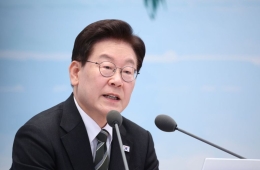
The economic recovery grants were a campaign pledge of Dangjin Mayor Kim Gijae in the June 3 local elections. Mayor Kim has stressed the need for the payments, saying the policy takes into account the difficulties faced by residents who rely on neighborhood businesses. He also called for the ordinance to pass when it was rejected in August.
Hot Picks Today
 "I Thought It Was Middle-Aged Men's Hiking Wear"... 20- and 30-Somethings Open Their Wallets for "This Padded Jacket"
- "Didn't Save This Money to Leave to Our Kids?"... Retired Couples Spend $10,000 on a Single Trip
- "We'll Give You 8 Million Won" ... Passengers Still Didn't Budge: Why No One Gave Up Their Seat
- "My Child Is Hardworking": Japanese Parents Seek Matches for Their Children in Their 30s and 40s
- "Stockpile 9 Liters of Bottled Water and Three Days' Worth of Food"... UK on Edge as Nationwide Emergency Preparedness Alert Issued
Opposition to the plan remains. Jeon Yeong-ok said there are many projects that require public funding for the future, including construction of a bypass for National Route 32, and warned that the grants could amount to a populist policy. She said she agreed to the ordinance’s passage on the condition that sufficient grounds for deciding on the payments be established, adding that the upcoming budget deliberations should also be closely watched. Assemblywoman Kim Yeon-gyeong also said she abstained because she opposes populist policies.
© The Asia Business Daily. All rights reserved. Unauthorized AI training and use prohibited.