Technology-Special Listing Reforms, but Corporate Trade Secret Protection Remains a Blind Spot
From Evaluation Institutions to Committee Members
Few Sign Non-Disclosure Agreements
"Should Be Added as an Evaluation Criterion for Institutions"
The Korea Exchange has moved to improve the KOSDAQ technology-special listing system, but critics say safeguards to protect the core technical information of companies seeking to go public remain inadequate. Many companies reportedly provide designated professional evaluation institutions with technical materials that may constitute trade secrets, yet are unable to sign separate nondisclosure agreements (NDAs).
According to capital markets industry sources on October 26, some companies that entered the KOSDAQ market through the technology-special listing track did not sign separate NDAs when undergoing technology assessments by professional evaluation institutions designated by the Korea Exchange. Although they had to provide core technical materials to designated institutions such as NICE Information Service, they did not enter into separate confidentiality agreements covering that information.
The technology-special listing system allows companies with strong technological capabilities and growth prospects to enter the KOSDAQ market even if they do not meet certain financial requirements. Companies seeking to use the system must receive ratings above a specified level from two professional evaluation institutions designated by the exchange before they can apply for a preliminary listing review. During the assessment, they must submit a range of materials, including research and development results and technology business plans, so that the maturity and competitiveness of their technologies, as well as their commercial potential, can be evaluated.
Unable to Even Object Despite Concerns About Technology Leaks
The problem is that companies do not have adequate contractual safeguards to ensure confidentiality even as they provide core technical information. Because it is difficult to proceed with a listing without passing the professional evaluation, companies are in a weak position and find it difficult to demand that their information be kept secure.
An official at a company that entered the KOSDAQ through the technology-special listing track said, "We have to reveal almost everything, but they won't even sign a single NDA." The company felt it had no choice but to accept the situation, despite considering it unfair, because of the pressure surrounding its listing schedule and assessment results.

It is also reportedly difficult to obtain individual NDAs from assessment committee members, not just from the institutions. During the technology assessment process, professional evaluation institutions designated by the exchange must form an external expert assessment committee (advisory panel), including patent attorneys. Committee members play an important role in the listing process, including by evaluating the core materials submitted. As a result, companies often feel they have no choice but to accept the situation: even when they are concerned about technology leaks, they cannot demand NDAs for fear of being penalized in their assessment ratings. A partner at a major accounting firm who works on listings said, "We often hear that it's difficult to get NDAs from externally appointed committee members. If they are going to examine all the technology, an NDA is necessary, but I've heard that the procedures for this are inadequate."
Concerns are particularly acute because many companies pursuing technology-special listings operate in industries such as biotechnology, artificial intelligence (AI), and semiconductors, where technological competitiveness is central to corporate value. If companies provide information that has not yet been made public, such as research and development results, manufacturing processes, or methods of implementing their technologies, the damage from an information leak could be substantial. Even companies that fail to go public have no choice but to worry about the risk of leaks involving technical information they have already submitted.
Exchange Overhauls the System, but Shows 'Indifference' to Leak Concerns
Against this backdrop, critics say the exchange's planned overhaul of the technology-special listing system is focused on improving the expertise and fairness of assessments, while the protection of companies' trade secrets is receiving comparatively little attention.
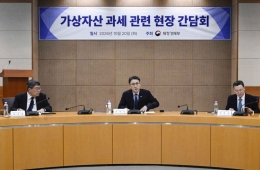
On October 19, the exchange held a briefing titled "Advancing the Standard Technology Assessment Model and Overhauling the Professional Evaluation System" and announced the direction of reforms to be finalized by the end of the year. The main measures include adding technology assessment criteria for emerging industries such as semiconductor design and intellectual property (IP), cybersecurity, aerospace, and robotics, and expanding the number of professional evaluation advisers from four to six.
The exchange will also strengthen internal controls at professional evaluation institutions. Evaluation institutions that conduct revenue-generating businesses will be required to disclose semiannually how they are implementing internal control guidance and information on the revenue-generating business engagements they undertake. The exchange also plans to formally establish procedures for resolving disputes over assessment results. In March 2026, it reduced the number of professional evaluation institutions from 26 to 16 and established procedures for parties with conflicts of interest to request the exclusion of assessment committee members.
However, no specific measures have been proposed to require NDAs between companies and professional evaluation institutions or to govern the storage and disposal of submitted technical materials and the scope of liability in the event of an information leak. Critics say this reflects a focus on improving the accuracy and reliability of technology assessments without adequately addressing the risk of information leaks faced by companies during the evaluation process.
Hot Picks Today
 "300,000 Won Grant" Shelved at Chuseok to Go to All Residents After All... This City Says It Will Pay Before Lunar New Year
- "Didn't Save This Money to Leave to Our Kids?"... Retired Couples Spend $10,000 on a Single Trip
- Friend Who Went Abroad Goes "Silent"... 617 South Koreans Out of Contact, What's Going On?
- Netflix Overhauls Leadership Amid Slowing Growth; Rift Between Content and Tech Divisions Emerges
- "Stockpile 9 Liters of Bottled Water and Three Days' Worth of Food"... UK on Edge as Nationwide Emergency Preparedness Alert Issued
Experts also say clearer legal safeguards are needed to protect companies' core information during technology assessments. Rather than relying on the internal rules of individual evaluation institutions, they say the system should spell out the duty to protect information provided by companies and the scope of liability. A partner at another major accounting firm who works on listings said, "When the Korea Exchange reassesses professional evaluation institutions, it could consider making it an assessment criterion whether the committee members and institutions have submitted separate NDAs."
© The Asia Business Daily. All rights reserved. Unauthorized AI training and use prohibited.