Six New Direct Routes to China, Including Incheon and Busan; Gimhae, Cheongju Airports Raise Flight Limits
This Winter's Regular Flight Schedule Finalized
International scheduled flights will increase by 7.6% (380 flights) this winter compared with last winter. Six new direct routes to China, including Busan-Guangzhou and Cheongju-Xiamen, will also be added.

Travelers line up for security screening at Terminal 2 of Incheon International Airport on Feb. 12, ahead of the Lunar New Year holiday. Photo by Kang Jinhyung
View original imageThe Ministry of Land, Infrastructure and Transport said on Oct. 25 that it had finalized the winter scheduled flight schedule, which will apply from Oct. 25 through March 27, 2027.
During the winter season, 84 airlines will operate up to 5,353 weekly scheduled international passenger flights on 264 routes in 44 countries. This is higher than the 4,980 weekly flights in 2019, before the COVID-19 pandemic, and the 4,973 weekly flights last year. For domestic services, airlines will operate up to 1,735 flights per week on 20 routes, including 13 routes to Jeju and seven inland routes such as Gimpo-Gimhae.
Compared with the same period last year, services to Japan will increase by 314 flights per week and services to China by 232 flights per week. The ministry said the increases reflect travel demand between the two countries. Of the new direct routes to China, four will serve regional airports and two will serve Incheon International Airport. Air Busan will operate the Busan-Guangzhou route. Eastar Jet will launch routes from Busan to Xiamen and from Cheongju to Xiamen. Spring Airlines will operate the Jeju-Shijiazhuang route. From Incheon, Air Premia will launch service to Ningbo, while Trinity will operate the route to Linyi.
The total number of slots, or the maximum number of aircraft movements per hour at regional airports, has also been increased for both weekdays and weekends. At Gimhae Airport, the weekday daily limit will rise to 370 from 354 this summer. The weekend limit will increase to 540 from 486. At Cheongju Airport, the weekday limit will be adjusted to 149 from 132. The weekend limit will rise to 180 from 144, an increase of 25%.
On the domestic network, service on the Incheon-Jeju route, which resumed in May, will increase from two to three flights per week in response to rising demand.

An aircraft is landing on a runway at Terminal 2 of Incheon International Airport. Photo by Airport Photographers' Group.
View original imageThe ministry has also completed inspections in preparation for the merger of Korean Air and Asiana Airlines. The two airlines are scheduled to merge on Dec. 17, 2026. To prevent inconvenience to passengers, the ministry supported the airlines through licensing procedures with foreign aviation authorities and reviewed each airline's safety management plans in response to route changes.
"In the first half of this year, Incheon International Airport recorded the highest number of international passengers in the world for the first time since it opened. Passenger numbers at regional airports are also increasing significantly thanks to active policies to revitalize them," said Jeong Chaegyo, director general of aviation policy at the Ministry of Land, Infrastructure and Transport. "We will work to expand people's choices and improve their convenience when traveling."
Hot Picks Today
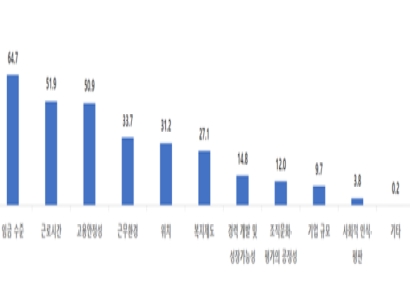 "Please Pay Me at Least 3 Million Won a Month": More Than Half of Young People Today Prioritize "Working Conditions" Over Company Size
- Selling Like Crazy Every Year... 30-Year-Old Hetbahn Takes on a New Challenge: Tastes Better Than "Mom's Home Cooking" [On-Site Report]
- I Thought Only 'Old Guys' Ate It... Young People Are Hooked on This 'Unusual Food' at Risk of Disappearing? [Delicious Stories]
- "Hey, Lady, Teach Your Kids to Behave!" ... 300,000 Won in Cash and a Bodily Injury Claim Demanded Over Child's Door Ding
- Beachgoer Finds 'Plastic' That Turns Out to Be Perfume Ingredient Worth More Than Twice as Much as Gold
According to the ministry, passenger numbers at regional airports rose from 14.63 million in 2024 to 16.89 million last year, and are forecast to reach 19.93 million this year on an annualized basis.
© The Asia Business Daily. All rights reserved. Unauthorized AI training and use prohibited.