[2026 National Assembly Audit] Private Housing Can't Break Ground Even After Land Purchase... KRW 25 Trillion in Unstarted PF Projects Tied Up, Delinquency Rate Tops 21%
"Need to create institutional pathways, such as conditional guarantees"
Concerns have been raised that soaring construction costs and financial difficulties are stalling private housing supply before construction even begins. With construction companies reluctant to take on new projects, sites with overdue debt are also unable to secure guarantees or additional loans, making it difficult to raise funds for construction costs. As of the end of March this year, more than one-fifth of loans extended to real estate projects where construction had not yet begun were delinquent.

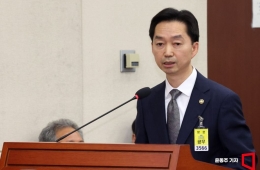
Minister of Land, Infrastructure and Transport Hong Jiseon answers lawmakers’ questions during a comprehensive parliamentary audit of the ministry and other agencies at the National Assembly on Oct. 23. Photo by Yoon Dongju.
View original imageAt a comprehensive audit on the National Assembly’s Land, Infrastructure and Transport Committee on October 23, Yoo Sangbeom of the People Power Party cited materials from a government project financing (PF) review meeting held on July 3 and said the risk exposure at projects that had not yet begun construction totaled KRW 25.2 trillion. The weighted delinquency rate at these sites was 21.1%. “The PF liquidity crisis in 2022 and 2023, coupled with soaring construction costs, led construction companies to avoid taking on new projects. PF projects came to a halt, and housing supply stopped,” Yoo said.
Yoo said current financial regulations are preventing delinquent projects from starting construction. According to Yoo, if a bridge loan taken out to purchase land and cover other costs during the early stages of a project becomes delinquent, the project cannot undergo a guarantee review by the Korea Housing & Urban Guarantee Corporation (HUG). Banks also do not provide the PF loans needed to proceed with actual construction to borrowers with overdue debt, under their internal rules. In other words, once existing debt falls into arrears, projects are blocked from obtaining both guarantees and additional loans needed to cover construction costs.
“If sites where construction has not yet begun go bankrupt or are put up for public auction, bridge loans will lead to financial losses,” Yoo said. “New permitting issues will cause lengthy delays, inevitably reducing housing supply.” He added, “The weighted delinquency rate currently stands at 21%, but it will rise further next year. If most of the private apartment projects that are supposed to supply housing in the future remain stalled, the government’s housing supply policy itself will not be effective.”
“The housing shortage cannot be resolved through public housing supply alone,” Yoo said. “The government cannot rescue every project, but it should work with financial institutions to find a way forward, such as selecting projects and requiring simultaneous implementation or allowing conditional guarantees.”
Hot Picks Today
 "Didn't Save This Money to Leave to Our Kids?"... Retired Couples Spend $10,000 on a Single Trip
- "300,000 Won Grant" Shelved at Chuseok to Go to All Residents After All... This City Says It Will Pay Before Lunar New Year
- "She Turned Her Life Around by Dancing in a Parking Lot..." An Absurd Tax Dodge Brought a "1.2 Billion Won Shock"
- Friend Who Went Abroad Goes "Silent"... 617 South Koreans Out of Contact, What's Going On?
- "Stockpile 9 Liters of Bottled Water and Three Days' Worth of Food"... UK on Edge as Nationwide Emergency Preparedness Alert Issued
Hong Jiseon, Minister of Land, Infrastructure and Transport, responded, “There are challenges under the current housing project financing guarantee regulations. However, since circumstances vary by project, we will distinguish viable projects from unviable ones and review tailored solutions with the Financial Services Commission.”
© The Asia Business Daily. All rights reserved. Unauthorized AI training and use prohibited.