[Reporter's Notebook] K-pop Crowds Pack Venues, but Safety Has Gaps
Repairs Delayed Despite Stadium Defects
Measures Must Account for the Unique Needs of Concerts

A K-pop concert venue packed with tens of thousands of people. What if, behind the dazzling lights and cheers pouring over the stage, there were hidden risks of a roof collapse? More concerning is that these risks had already been identified, yet no appropriate action was taken.
According to audit findings recently released by the Board of Audit and Inspection, safety management was inadequate at 14 of 25 sports facilities. At Gocheok Sky Dome, deformation was found in a roof steel-frame connection, but the safety of the reinforcement work was not sufficiently verified. At Incheon Munhak Stadium, the number of damaged roof components rose from one to 50 in three years, yet repairs were postponed until 2028. Jamsil Sports Complex used wind pressure lower than the actual level in its roof safety assessment. The Board of Audit and Inspection noted that some structures could collapse in strong winds or heavy snowfall.
There were also gaps in crowd safety management. At some events, ticket sales exceeded the number of attendees reported in advance by as much as 70%, but the authorities failed to detect this. At 20 facilities, the time required for evacuation had not been analyzed. Expected attendance is essential data for determining the number of safety personnel and preparing evacuation plans. If ticket sales exceed that figure, safety plans must be reviewed and adjusted accordingly.
Even when safety inspections identified defects, reinforcement was delayed, and the safety of completed work was not sufficiently verified. Operating agencies conducted inspections and the supervisory authorities received the results, but the process of addressing the risks identified was inadequate. Inspections and reporting did not lead to actual safety improvements.
Even at the same sports facility, the way stages are set up and audiences are arranged differs between sporting events and concerts. During concerts, lighting and sound equipment suspended from the ceiling adds loads to the roof, while temporary seating changes audience evacuation routes. Facility management agencies must account for these factors in their safety measures.
The risks revealed by this audit were entirely foreseeable. When defects have already been identified, repairs should be completed by a set deadline, and the results of reinforcement work should be rigorously verified. Facilities where safety has not been secured require proactive measures, including restrictions on performances.
Hot Picks Today
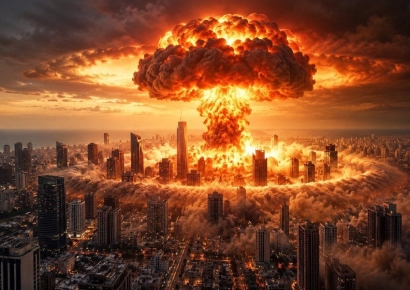 "If I Lose This Election, a Nuclear Bomb Will Fall?"... Netanyahu Posts Chilling Image Ahead of General Election
- "Everyone else is retiring"... People who say they'll work until 74: What's going on? [Pension Asset Polarization] 1
- "Faith in Humanity Recharged for Years": The Unexpected Return of a Wallet Lost at a Concert
- He Left It in the Car and Forgot... "I Nearly Collapsed with Joy": Man Wins $1.48 Million Lottery
- "Stockpile 9 Liters of Water and Three Days' Worth of Food"... UK Tense Over Nationwide Emergency Preparedness Advice
The safety of large concert venues is directly connected to the lives of tens of thousands of people. The fact that no accidents have occurred so far does not mean they will remain safe in the future. Nor can those responsible for management claim to have fulfilled their duties simply by identifying risks. The purpose of safety inspections is not just to find defects, but to eliminate the risks they pose.
© The Asia Business Daily. All rights reserved. Unauthorized AI training and use prohibited.