"Jobs at Samsung BioLogics and Samjin Pharm, Too"... Asia Business Daily Recruits for Government-Funded Medical AI and Digital Healthcare Training
- Hands-on training in AI drug development, digital biomarkers, and medical imaging analysis using more than 300,000 medical and biometric records
- University hospital clinicians, including those from Seoul National University Hospital, to mentor projects; support for research portfolios, certifications, and employer-recommended recruitment

Practical training will be offered for young people seeking to boost their competitiveness in the job market by combining their specialized knowledge in medicine and biotechnology with artificial intelligence (AI).
The Asia Business Daily Education Center is recruiting trainees for its “AI Medical Research and Healthcare Service Development Program Based on Medical and Biohealth Data Analysis.”
The program is a government-funded course under the Ministry of Employment and Labor’s K-Digital Training (KDT) initiative. It centers on projects that give trainees hands-on experience in everything from medical data analysis and AI model development to medical research and the implementation of digital healthcare services.
The program’s employment outcomes are also drawing attention. Through its previous courses, the Asia Business Daily Education Center has placed graduates at major pharmaceutical and biotechnology companies, including Samsung BioLogics, Celltrion, Hanmi Pharmaceutical, Yuhan Corporation, JW Pharmaceutical, and Dong-A ST, as well as at medical institutions such as Seoul National University Hospital and Severance Hospital, continuing its track record in practical training.
The program’s biggest distinguishing feature is its hands-on environment using real medical data. The center runs projects in electrocardiogram, cardiovascular disease, brain disease, and clinical data analysis, as well as medical imaging AI, using more than 300,000 records of medical, biometric, and health screening data.
Trainees will learn Python, SQL, medical big data analysis, machine learning, and deep learning, as well as specialized technologies including AlphaFold-based protein structure prediction, AI drug development, bioinformatics, precision medicine, digital pathology, and digital biomarkers. The program also covers medical information analysis and AI healthcare service development using generative AI, LLMs, RAG, and AI agents.
Medical professionals and researchers from major university hospitals, including Seoul National University, Ewha Womans University, Ajou University, and Chungbuk National University, will participate in the projects. They will help trainees turn real-world healthcare challenges into research topics and guide them from data analysis and AI model validation through to service development.
Trainees will select research topics based on their academic backgrounds and interests and carry out projects. Previous courses have included a range of medical AI projects, such as oral care services, mental health solutions for stress relief, AI for early differentiation of Parkinson’s disease, ECG-based arrhythmia prediction, subtype- and stage-based AI treatment solutions, and protein structure analysis.
The center supports the preparation of research reports and portfolios, certification exam fees, participation in competitions and hackathons, and presentations at demo days. To provide a smooth learning environment, it also offers hands-on facilities, including high-performance, high-end PCs, paid AI development tools, and study spaces available 24 hours a day.
After completing the program, trainees can prepare for a range of roles, including medical data analyst, medical AI developer, bioinformatics researcher, AI drug development researcher, and digital healthcare service planner. The center also provides employer-recommended recruitment opportunities and tailored job-search consulting.
A representative of the education center said, “In the medical AI field, it is important to understand not only AI technology but also the characteristics of medical data and the objectives of research. We will help trainees with backgrounds in medicine and biotechnology gain AI skills, and those with IT backgrounds gain experience in the healthcare domain, so they can grow into distinctive interdisciplinary professionals.”
Hot Picks Today
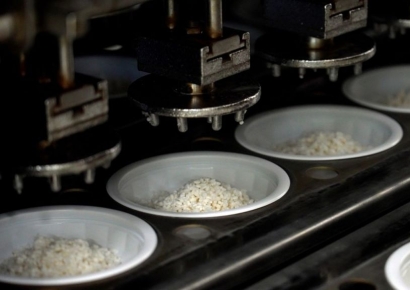 Selling Like Crazy Every Year... 30-Year-Old Hetbahn Takes on a New Challenge: Tastes Better Than "Mom's Home Cooking" [On-Site Report]
- A 12-Year-Old Girl Went to the Hospital After Her Blood Pressure Hit 225 and Was Stunned: "What Is This Coral Reef-Like Thing in Her Aorta?"
- "Hey, Lady, Teach Your Kids to Behave!" ... 300,000 Won in Cash and a Bodily Injury Claim Demanded Over Child's Door Ding
- "Americans Would Be Amazed If They Came": Wide-Eyed at a Sight They've Never Seen Before... Foreigners Also Fall for K-Baseball [K-Holic]
- Beachgoer Finds 'Plastic' That Turns Out to Be Perfume Ingredient Worth More Than Twice as Much as Gold
The program covers the full cost of tuition. Depending on individual eligibility, trainees may also receive up to 800,000 won in training allowances, along with additional employment support benefits. More information is available on the Asia Business Daily Education Center website.
© The Asia Business Daily. All rights reserved. Unauthorized AI training and use prohibited.