August Bank Loan Delinquency Rate Rises to 0.69%, Sole Proprietor Rate Hits 13-Year High
Delinquency rate on won-denominated loans hits 0.69%, highest in 10 years
Rates for sole-proprietor loans reach 0.86% and small and medium-sized corporate loans 1.1%... Delinquency burden grows
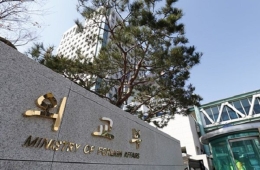
The delinquency rate on won-denominated loans at domestic banks continued to rise, reaching its highest level in nearly 10 years. The delinquency rate on loans to individual business owners climbed to its highest level in 13 years and three months, as rising interest rates added to the repayment burden on self-employed borrowers.

According to the Financial Supervisory Service (FSS) on October 23, the delinquency rate on won-denominated loans at domestic banks stood at 0.69% at the end of August, up 0.06 percentage points from the end of the previous month. It was also up 0.08 percentage points from the same month a year earlier, marking the highest level in nine years and 10 months since October 2016, when it was 0.81%.
Delinquency rates on both corporate and household loans rose, with the increase relatively larger for corporate loans. The overall delinquency rate on corporate loans was 0.86%, up 0.08 percentage points from the previous month and 0.13 percentage points from the same month a year earlier.
In particular, the delinquency rate on loans to small and medium-sized enterprises (SMEs) was 1.0%, up 0.09 percentage points month over month and 0.11 percentage points year over year. A closer look shows that delinquency rates rose for both individual business owners and small and medium-sized corporations. The delinquency rate on loans to individual business owners was 0.86%, up 0.09 percentage points from the previous month and 0.08 percentage points from the same month a year earlier. This was the highest level in 13 years and three months since May 2013, when it was 0.92%. The delinquency rate for small and medium-sized corporations also rose to 1.1%, up 0.1 percentage points from the previous month and 0.13 percentage points from the same month a year earlier.
The delinquency rate on loans to large corporations also reached 0.39%, its highest level in five years and four months since April 2021, when it was 0.39%. It was up 0.03 percentage points from the previous month and 0.24 percentage points from the same month a year earlier.
The delinquency rate on household loans was 0.45%, up 0.03 percentage points from the previous month and unchanged from the same month a year earlier. By loan type, the delinquency rate on mortgage loans was 0.31%, up 0.02 percentage points from the previous month and 0.01 percentage points from the same month a year earlier. The rate for household credit loans and other loans excluding mortgages rose 0.07 percentage points from the end of the previous month to 0.91%, but was down 0.01 percentage points from the same month a year earlier.
New delinquencies edged down, but the stock of delinquent loans continued to grow. In August, newly delinquent loans totaled KRW 3 trillion, down KRW 200 billion from the previous month. Over the same period, the amount of delinquent loans resolved reached KRW 1.5 trillion, up KRW 100 billion. As newly delinquent loans were twice the amount resolved, the stock of delinquent loans grew by a net KRW 1.5 trillion. The rate of new delinquencies remained at 0.12%, unchanged from both the previous month and the same month a year earlier.
The FSS assessed that the banking sector's delinquency rate remained below the 10-year long-term average of 0.78% from before the COVID-19 pandemic, making it manageable over the medium to long term. However, it said the upward trend in delinquency rates could continue, particularly in vulnerable sectors, given uncertainty in domestic and global economic conditions and the trend of rising market interest rates.
Hot Picks Today
 Despite "Insufficient Balance" Notices, They Board Anyway... Reports of Foreign Fare Evasion Mounting
- "If It Helps My Child's Studies, It's Worth Every Penny"... U.S. Parents Open Their Wallets for $10,000 Tests
- [Exclusive] "We Came for a KRW 140,000 Trip": Following Chinese Tourists in Korea Uncovers a 'Suspicious' Tour
- [New York Stock Market] Nasdaq Plunges 2.6% on AI Investment Concerns
- "Baek Jongwon Had Been Quiet, Then Hit It Big"... Waits in the 100s in U.S. Despite KRW 46,000 Pork Belly
An FSS official said, "Delinquency rates continue to rise, particularly for loans to small and medium-sized corporations, individual business owners, and household credit borrowers." The official added, "We will continue to encourage banks to strengthen their soundness management by building up their capacity to absorb losses proactively and actively writing off and selling non-performing loans."
© The Asia Business Daily. All rights reserved. Unauthorized AI training and use prohibited.