Celltrion Signs Deal with U.S. Kaigene to License Autoimmune Drug Candidate Worth Up to 769.5 Billion Won
Autoimmune disease pipeline grows to three candidates
Celltrion has in-licensed KG013, a drug candidate for autoimmune diseases, from U.S. biotech company Kaigene. The deal brings Celltrion's pipeline of new autoimmune disease drugs to three candidates, including two it acquired last year.

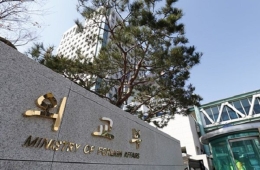
A view of Celltrion's headquarters in Yeonsu-gu, Incheon. The Asia Business Daily DB.
View original imageCelltrion said on Oct. 22 that it had signed a global licensing-in agreement with Kaigene for KG013, securing exclusive development and commercialization rights worldwide. The deal is worth up to $580.5 million (approximately KRW 769.5 billion), including upfront payments and development, regulatory approval and commercialization milestones. Royalties based on net sales will be paid separately after commercialization. Kaigene retains the right to participate in co-commercialization in South Korea only.
KG013 is an antibody drug candidate that targets APRIL, a signaling protein involved in the survival and maintenance of the function of B cells, which produce antibodies. Its primary indication is IgA nephropathy, a chronic kidney disease that requires long-term treatment and management, making the long-term safety of treatments a key concern.
Existing treatments have worked by broadly suppressing immune cells or lowering blood pressure to slow kidney damage. APRIL-targeted treatments act more selectively by reducing pathogenic IgA, which causes the disease. Celltrion plans to develop KG013 as a best-in-class drug that offers greater efficacy and longer persistence in the body than existing first-generation APRIL-targeted treatments, potentially controlling the disease with lower doses and longer intervals between doses.
With this deal, Celltrion will have a total of three autoimmune disease drug candidates in its pipeline, including two acquired from Kaigene last year, such as the FcRn inhibitor KG006. The company expects the complementary mechanisms of KG006, which breaks down immunoglobulin G (IgG), and KG013, which inhibits the production of IgA and IgM, to expand the range of diseases that can be treated.
Hot Picks Today
 Despite "Insufficient Balance" Notices, They Board Anyway... Reports of Foreign Fare Evasion Mounting
- A 'Premium Dessert' from Korea... 'Orion Custard' Hits Big in China and Vietnam as Production Lines Expand
- "I Hide in the Classroom Alone to Eat Steamed Buns. Please Help Me"... Tearful Plea Draws 600 Million Views, But It Turns Out...
- [2026 Parliamentary Audit] Lee Hyoungil: "National Pension Service Should Be Evaluated by Long-Term Returns, Not Short-Term Market Fluctuations" (Comprehensive)
- [Exclusive] "We Came for a KRW 140,000 Trip": Following Chinese Tourists in Korea Uncovers a 'Suspicious' Tour
Celltrion is making autoimmune diseases, alongside cancer and obesity and metabolic diseases, a key focus of its new drug development, combining in-house development with open innovation. The company aims to strengthen its position in the global autoimmune disease market by adding a new drug pipeline to its commercialization capabilities, built through biosimilars of tumor necrosis factor alpha (TNF-α) inhibitors and interleukin (IL) inhibitors.
© The Asia Business Daily. All rights reserved. Unauthorized AI training and use prohibited.