Controversy Over Shin Dongguk's Alleged Tender Offer Violation... Legal Dispute Over "Fewer Than 10" Explanation
Three Hanmi Science share purchases this year
Shin Dongguk’s side: “Transactions with related parties are exempt”
Legal experts: “Questions over consistency with previous shareholding disclosures”
Controversy is growing over allegations that Shin Dongguk, chairman of Hanyang Precision and Hanmi Science’s largest individual shareholder, violated the mandatory tender offer rules. Shin’s side maintains that, excluding transactions with related parties, the number of counterparties falls below the threshold of 10 that triggers the obligation. Legal experts, however, say the legal basis for this explanation is unclear in light of the scope of parties recognized as related parties and the company’s previous disclosures.
According to legal experts and industry sources on October 21, the controversy stems from three over-the-counter agreements Shin entered into this year to trade Hanmi Science shares. On February 13, Shin agreed to purchase 4,410,032 Hanmi Science shares from a total of six sellers: Lim Jongyun, chairman of Kory Group; Kory Pohang; DXVX; and three others. On July 7, he entered into an agreement to purchase an additional 3,604,799 shares from seven sellers: Lim’s wife, Hong Jiyun; his three children; and three others. On October 2, Shin agreed to purchase 1,382,832 shares from three sellers, including Korea Value-Up Private Equity Partnership.

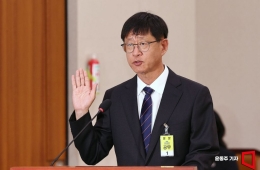
2024 Hanmi Science Extraordinary General Meeting of Shareholders. Photo by Heo Younghan
View original imageUnder the current Capital Markets Act, a tender offer is generally required if a person conducts over-the-counter transactions with at least 10 counterparties within six months and, after the purchases, holds at least 5% of the shares together with parties in a special relationship with them. Simply adding the sellers in the first two transactions gives a total of 13. Even if some sellers appear in both transactions, the number is at least 10, prompting claims that Shin should also have conducted a tender offer.
Shin’s side maintains that no tender offer obligation arose. It says the number of counterparties relevant to determining whether the obligation applies is fewer than 10 once transactions with related parties and other exempt transactions are excluded. It cites the fact that the Capital Markets Act also recognizes purchases of shares from related parties as an exception to the tender offer obligation.
Dispute over interpretation of related parties...Possible conflict with previous 5% disclosures
However, some say it is necessary to examine more rigorously whether the exception for related parties claimed by Shin’s side can in fact be applied to the sellers. The issue is whether Lim’s family and affiliated companies, which were previously involved in a management dispute, can be considered related parties of Shin.
Shin has reported substantial shareholdings together with the group led by Hanmi Group Chairman Song Youngsook, while Lim, his family, Kory Pohang, and DXVX have been disclosed as a separate group. The Capital Markets Act defines persons in a special relationship as related parties and persons acting in concert. Persons acting in concert are those who have agreed to jointly acquire or dispose of shares, or to jointly exercise voting rights. The law also provides that parties are not considered related parties if they prove, subject to certain requirements, that they do not act in concert.
Some legal experts argue that if Lim’s side is treated as related parties when determining whether a tender offer is required, but was treated as a separate group in previous 5% substantial shareholding reports, the legal basis for doing so should be explained. The fact that the group was reported separately in previous disclosures does not by itself establish a violation, but the legal consistency of the two determinations needs to be examined, they say.

Are executives’ family members also related parties?...Disagreement over counting counterparties
The scope of related parties is also in dispute. The Act on Corporate Governance of Financial Companies defines as related parties a company in which an individual holds at least a 30% stake or over which the individual exercises de facto influence on major management matters, as well as the company’s executives and executives of certain affiliated companies that meet specified requirements. However, not all executives of an affiliate are automatically included as related parties; the requirements set out in the relevant laws must be met.
Whether an exception can apply to Lim’s wife and three children is also at issue. Some interpret the law to mean that even if Lim qualifies as a related party because he is an executive of an affiliate, his wife and children are not automatically included. They say there is no clear legal basis for successively expanding the scope of related parties simply because someone is an executive’s family member.
The method of counting counterparties is also disputed. The Capital Markets Act determines whether a tender offer obligation arises based on the number of counterparties with whom a person has conducted transactions during a specified period. Some legal experts argue that multiple sellers cannot be counted as one person solely because they are family members or are associated with the same business group. In the July transaction, the sellers were identified as “Hong Jiyun and six others.”
Hot Picks Today
 "Why Is the Amount in My Account So Low?"... Why Pension Savings Subscribers Were Surprised
- As Kim Jong Un Death Rumors Spread... "It's Not Loading Again": North Korean State Media Sites Face Outages
- [Breaking] Shark 'Bukangi' exits channel... operation to guide it ends
- "After Sleeping Well with Strangers"... Who Is the 24-Year-Old Woman Who Won 19 Million Won?
- "I wanted her to feel my passionate love"... Wife collapses after husband's overly tight hug, diagnosed with broken ribs
Shin’s side maintains that the transactions do not constitute a violation of the tender offer obligation, as they were conducted following a rigorous legal review. However, observers say it is difficult to rule out the possibility that the controversy will intensify, given that Shin’s side has not disclosed which specific sellers it considered exempt, which statutory requirements each seller met to qualify as a related party, or the final number of counterparties after exempt transactions were excluded.
© The Asia Business Daily. All rights reserved. Unauthorized AI training and use prohibited.