Unicity, Facing 'Bonus Circumvention' Allegations, Chooses First-Ever Consent Decree Under Door-to-Door Sales Act
Alleged circumvention of sponsorship bonus cap through U.S. headquarters payments
Voluntary corrective action despite favorable court and prosecutorial decisions
Unicity Korea, which had been accused of circumventing the statutory cap by paying multi-level marketing salespeople sponsorship allowances in excess of the legal limit, chose cooperation through voluntary corrective measures rather than facing a crackdown by the Korea Fair Trade Commission (KFTC). Notably, this is the first case since the introduction of the relevant system in which consent decree proceedings have been initiated over alleged violations of the Door-to-Door Sales Act.

The KFTC announced on the 21st that it had decided to initiate consent decree proceedings regarding Unicity Korea's alleged violation of the Door-to-Door Sales Act. Under the consent decree system, a company suspected of violating the law devises measures on its own to remedy harm and improve trading practices. If the KFTC finds the measures appropriate, it can promptly close the case without determining whether the company violated the law.
The KFTC had been investigating whether Unicity Korea circumvented the statutory cap by changing the affiliation of its top-ranked salespeople to its U.S.-based global headquarters, Unicity International, and having the headquarters pay their allowances directly. Under the current Door-to-Door Sales Act, the total sponsorship allowances a multi-level marketing business may pay to its salespeople are strictly capped at 35% of the sales revenue from goods supplied. If payments from the U.S. headquarters are counted as allowances paid by Unicity Korea, the total would have exceeded the statutory cap in each of the four years from 2021 to 2024.
Of particular note, in an appeals court ruling in a civil lawsuit concerning the same facts, the court found that the payments could not be viewed as a workaround to evade regulations, and prosecutors also decided not to indict the company. Despite rulings by the judiciary and investigative authorities that favored the company, Unicity Korea applied to the KFTC to initiate consent decree proceedings rather than engage in a costly legal battle over the interpretation of the law. This appears to reflect a strategic decision to go beyond a simple dispute over whether the company acted unlawfully, foster mutually beneficial cooperation with multi-level marketing salespeople and consumers, and restore trust in the company.
To improve trading practices, Unicity Korea submitted corrective measures to the KFTC under which salespeople affiliated with its U.S. headquarters would be reassigned to its domestic operations, and the point values (PV) and prices of key products would be adjusted to ensure strict compliance with the cap on the proportion of sponsorship allowances paid. The company also plans to establish a monitoring committee on sponsorship allowance payments and substantially strengthen its internal compliance system. In addition, it will extend the period allowed for consumer returns from 20 days to three months and regularly provide compliance training for salespeople and regional customer support centers. The company also plans to post notices about harm caused by illegal multi-level marketing on its official website for three days each month, and to improve its computer systems for salespeople's convenience and enhance the capabilities of its counseling center.
Hot Picks Today
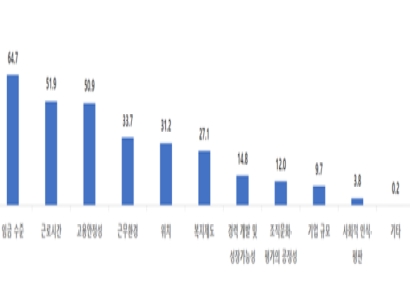 "Please Pay Me at Least 3 Million Won a Month": More Than Half of Young People Today Prioritize "Working Conditions" Over Company Size
- Selling Like Crazy Every Year... 30-Year-Old Hetbahn Takes on a New Challenge: Tastes Better Than "Mom's Home Cooking" [On-Site Report]
- "Is This Really Possible?" The World Is Watching... Could My Car Become a "Mobile ESS"? [Energy Odyssey] 15
- "Hey, Lady, Teach Your Kids to Behave!" ... 300,000 Won in Cash and a Bodily Injury Claim Demanded Over Child's Door Ding
- "Don't Trust This Woman": Documentary on 'Investment Scammer' Earns KRW 22 Billion in One Week
The KFTC determined that Unicity Korea's corrective measures sufficiently met the requirements for initiating consent decree proceedings. The commission plans to work with Unicity Korea to flesh out the measures and prepare a proposed consent decree in the near future, then seek input from interested parties and consult with relevant agencies before submitting the final proposal to the commission.
© The Asia Business Daily. All rights reserved. Unauthorized AI training and use prohibited.