Public Prosecution Office: “180,000 Unresolved Cases Won’t Be Transferred to Police or Serious Crimes Investigation Agency All at Once; They’ll Be Handled in Stages”
186,307 unresolved cases as of end-September; most referred by investigative agencies
About 1,980 cases involving wanted notices transferred to police
About 300 directly investigated cases being transferred in stages
The Public Prosecution Office said concerns that about 180,000 unresolved cases could all be transferred at once to investigative agencies such as the police as part of the overhaul of the criminal justice system are “untrue.”

A replacement sign is displayed at the main entrance of the Prosecution Service in Seocho-gu, Seoul, on Oct. 2, 2026, as the Prosecution Service, which held both investigative and prosecutorial powers, closed after 78 years following the Lee Jaemyung administration's prosecution reform, and the Prosecution Service and Serious Crimes Investigation Agency officially launched. Photo by Kang Jinhyeong.
View original imageIn a statement to the media on Oct. 19, the office said, “Most of the unresolved cases currently pending are cases that investigative agencies, including the police and special judicial police, have completed investigating and referred to us. Prosecutors review each case file to decide whether to indict, and request supplemental investigations only for cases that require further investigation.”
As of the end of September, 186,307 unresolved cases were pending at the Public Prosecution Office. The office said this does not mean all of these cases will be transferred to the police or the Serious Crimes Investigation Agency, or become subject to requests for supplemental investigations.
Over the past five years, requests for supplemental investigations accounted for 10.47% of cases referred to prosecutors. The share could rise now that prosecutors’ authority to conduct supplemental investigations directly has been abolished. However, the office does not expect a large number of cases to be transferred to investigative agencies at any one time, as requests will be made sequentially after prosecutors review each case individually.
Cases in which prosecutors had begun investigations directly will not all be transferred automatically, either. Under the amended Public Prosecution Office Act and Criminal Procedure Act, the office may continue investigating and handling such cases during a grace period of up to 90 days, or transfer them to the investigative agency with jurisdiction, such as the Serious Crimes Investigation Agency or the police.
About 1,980 cases in which prosecutors had directly issued wanted notices and sought arrest warrants have already been transferred to the police. About 300 other cases involving direct investigations by prosecutors have been selected for priority transfer and are being sent to the Serious Crimes Investigation Agency and the police in stages. The Public Prosecution Office will continue investigating cases that are difficult to transfer, including those nearing the statute of limitations.
Hot Picks Today
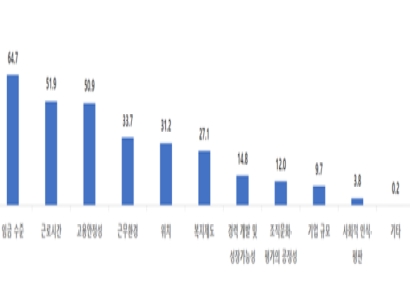 "Please Pay Me at Least 3 Million Won a Month": More Than Half of Young People Today Prioritize "Working Conditions" Over Company Size
- Selling Like Crazy Every Year... 30-Year-Old Hetbahn Takes on a New Challenge: Tastes Better Than "Mom's Home Cooking" [On-Site Report]
- Ran 18 km With 9-Year-Old Tied to Him at the Waist... "Man Banned From Competing for 3 Years"
- "Hey, Lady, Teach Your Kids to Behave!" ... 300,000 Won in Cash and a Bodily Injury Claim Demanded Over Child's Door Ding
- Beachgoer Finds 'Plastic' That Turns Out to Be Perfume Ingredient Worth More Than Twice as Much as Gold
The Public Prosecution Office said, “We will do our utmost to work closely with investigative agencies, including the police, to ensure that the overhaul of the criminal justice system does not cause delays in case processing or inconvenience to the public.”
© The Asia Business Daily. All rights reserved. Unauthorized AI training and use prohibited.