Without Shared Mobility, 83% of Users Say It Would Disrupt Daily Life
GCOO surveys 332 people on "The Impact of the Absence of Shared Mobility"
A survey found that more than 8 out of 10 users would experience inconvenience in their daily lives without shared mobility.
Gbike, the operator of the shared mobility platform GCOO, announced the results of a survey on “The Impact of the Absence of Shared Mobility” on October 19. The survey was conducted in September 2026 among 332 people who had used the service between January and August 2026.
According to the survey, 83.1% of respondents said their daily lives would be directly affected if shared mobility disappeared. Specifically, responses included “slightly inconvenient” (45.5%), “quite inconvenient” (25.3%), “considerably difficult” (9.9%), and “so difficult that it would be hard to maintain daily routines” (2.4%). A total of 75.3% said replacing shared mobility trips with other modes of transport would increase their one-way travel time, with the largest share, 45.2%, expecting an increase of at least 10 minutes. Walking was the most commonly cited alternative (47.6%), followed by buses and subways (26.8%) and taxis (10.2%).

Among people who use the service, 94.9% opposed a blanket “riding ban.” While they recognized the need for safety measures, most called for a “safe environment for riding” to be established first rather than an indiscriminate ban. Specifically, 98.5% of respondents said that measures such as expanding riding and parking infrastructure and strengthening enforcement should come before a riding ban or the removal of devices. This reflects users’ call to address disorderly use and prioritize expanding inadequate infrastructure rather than restricting their freedom of movement. In addition, when asked about safety measures in congested areas, 88.6% chose practical management options—including providing dedicated riding spaces, cracking down on dangerous users, and managing illegal parking—instead of a blanket ban.
Young people in their 20s and 30s, the main user group for shared mobility, also said the disappearance of these services would disrupt their daily lives. This age group travels more than any other, and among young people who ride at least three times a week, 91.5% expected to experience inconvenience, while 51.1% said it would become “difficult to maintain daily routines.” Furthermore, 59.7% expected their transportation costs to rise if the service disappeared. A total of 48.7% expected their one-way travel time to increase by at least 10 minutes, and 13.6% expected an increase of at least 20 minutes, indicating that young people would face greater time and financial burdens.
Hot Picks Today
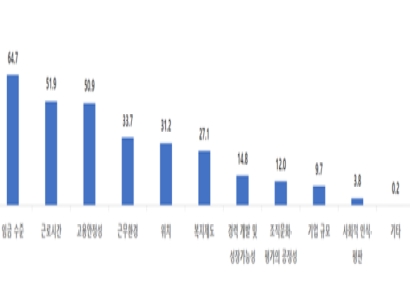 "Please Pay Me at Least 3 Million Won a Month": More Than Half of Young People Today Prioritize "Working Conditions" Over Company Size
- Selling Like Crazy Every Year... 30-Year-Old Hetbahn Takes on a New Challenge: Tastes Better Than "Mom's Home Cooking" [On-Site Report]
- Ran 18 km With 9-Year-Old Tied to Him at the Waist... "Man Banned From Competing for 3 Years"
- "Hey, Lady, Teach Your Kids to Behave!" ... 300,000 Won in Cash and a Bodily Injury Claim Demanded Over Child's Door Ding
- Beachgoer Finds 'Plastic' That Turns Out to Be Perfume Ingredient Worth More Than Twice as Much as Gold
Yoon Jongsoo, CEO of Gbike, said, “Rather than choosing between pedestrian safety and users’ freedom of movement, we need to design safe spaces for riding and orderly spaces for parking, along with clear standards for accountability, while ensuring people can continue to make the trips they need.”
© The Asia Business Daily. All rights reserved. Unauthorized AI training and use prohibited.