[2026 National Assembly Audit] "University Hospitals Buy Drugs from University-Owned Firms, Bill NHIS at Ceiling Price"
University-owned suppliers provide medicines, with profits returned to universities as dividends
Kyung Hee, Hanyang and Busan Paik hospitals bill most drug costs at the price ceiling
NHIS President Kang Cheonghee: "There is a problem, but we have no
It has been pointed out that some university hospitals procure medicines through indirect suppliers (known as “ganap” companies) affiliated with their universities and claim nearly the full amount at the drug price ceiling from National Health Insurance. The allegation is that these suppliers buy medicines cheaply from pharmaceutical companies and sell them to hospitals at the ceiling price, with the resulting profits returning to the universities in the form of dividends. This has raised concerns about financial leakage, as the difference in drug prices accumulates on the hospital side rather than benefiting the health insurance system.
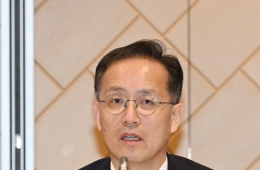
Nam Insoon, a Democratic Party of Korea lawmaker, questioned the National Health Insurance Service and the Health Insurance Review & Assessment Service about university hospitals’ drug cost claims and the way ganap companies operate during a parliamentary audit on October 16. According to Nam, Kyung Hee University Hospital claimed 61.7 billion won in drug costs last year. Of that amount, only about 100 million won was claimed at prices below the ceiling, meaning that about 99% of the total was claimed at the ceiling price. Nam said similar billing patterns were found at Hanyang University Hospital and Inje University Busan Paik Hospital.

Nam Insoon, a Democratic Party of Korea lawmaker on the National Assembly Health and Welfare Committee. Reporter Yoon Dongju.
View original imageNam said the hospitals had in common that ganap companies owned by, or partly owned by, their universities were involved in supplying medicines. At Kyung Hee University Hospital, the ganap company Pharmroad handles about 87% of the medicine supply and pays dividends to the university, she explained. Nam said it was problematic for large hospitals to establish ganap companies to collect what amounts to a toll and also receive dividends.
National Health Insurance pays for medicines based on the prices hospitals actually pay, subject to a price ceiling. If a hospital buys medicine from a ganap company at the ceiling price, its claim to National Health Insurance is also based on that price. If the ganap company bought the medicine from a pharmaceutical company at a lower price, the difference remains as profit for the ganap company. Nam argued that the National Health Insurance Service should investigate the situation, given that annual health insurance spending on medicines amounts to 28 trillion won.
Hot Picks Today
 "Jealous of Koreans" - Now a Must-Do on Every Trip... The Place Where Foreigners Spent KRW 229.8 Billion
- [Why&Next] Why NAVER Is Doubling Down on Membership with 'Nepe Festa'
- "I thought getting into a big company was the goal"... The 'position' only 1 in 121 employees reaches
- "'No! Dad, Run!'... Father Moved by 5-Year-Old Son Who Shielded Him from Ghost at Korean Folk Village"
- "Please Let Me Go Home"... Customers Trapped in Department Store Parking Lot for 5 Hours Vent Their Anger
Kang Cheong-hee, president of the National Health Insurance Service, agreed that there was a problem with this arrangement. However, he said the Service currently lacks a legal basis to directly investigate the distribution and billing structure for medicines. Nam said she would work to establish such a legal basis and urged the Service to investigate actively once it had the necessary authority.
© The Asia Business Daily. All rights reserved. Unauthorized AI training and use prohibited.