"It's Hard to Breathe": Worst Wildfires Force School Closures... "15 Times the Size of Seoul Reduced to Ashes"
Wildfires in Indonesia's Sumatra and Kalimantan spread toxic smoke
Neighboring countries, including Singapore and Malaysia, also affected
Slash-and-burn land clearing and El Nino-driven drought compound, prompting school closures
As massive wildfires in Indonesia continue to spread, toxic smoke is blanketing neighboring countries, including Singapore and Malaysia. The skies over Sumatra and Kalimantan have turned orange beneath thick smoke, and the damage continues, with schools closing in some areas.

Drivers travel through the red haze caused by wildfires in Palangka Raya, Central Kalimantan, Indonesia. EPA
View original imageAccording to the BBC and other media outlets on October 14, smoke from wildfires in Indonesia has spread to Singapore and Malaysia, significantly worsening air quality. In some parts of Malaysia, classes have been suspended or schools closed over concerns for students' health.
This year's wildfires in Indonesia are believed to have caused greater damage because illegal burning to clear land for agriculture and plantations coincided with high temperatures and drought caused by El Nino. According to the forest monitoring organization Nusantara Atlas, 1,043,377 wildfire hotspots have been detected across Indonesia this year. The area of forest and land cleared by fire is estimated at about 900,000 hectares, roughly 15 times the size of Seoul.
Slash-and-burn land clearing and drought fuel larger wildfires
Illegal burning to clear land for agriculture is cited as one of the main causes of wildfires in Indonesia. In the past, some farmers burned vegetation to clear land or add nutrients to the soil. But critics say wildfires have grown larger in recent years as the practice has become tied to large-scale commercial agriculture.
Investigations by environmental groups and the Indonesian government have also found cases in which some companies exploited the use of fire to clear large areas of land in order to reduce the cost of establishing plantations. This year, damage has been compounded by high temperatures and drought caused by El Nino. Peatlands, which are widespread in Sumatra and Kalimantan, are particularly difficult to extinguish once ignited: organic matter such as dead plants and trees accumulates over long periods in waterlogged conditions without fully decomposing, and fires can smolder underground for a long time, producing large amounts of smoke.
Indonesian law prohibits land clearing through illegal burning, but concerns have persisted that enforcement and penalties are limited. Indonesian President Prabowo Subianto recently described illegal burning as "environmental terrorism" and ordered a tough response. Last month, the government suspended the operating permits of 26 companies linked to wildfires and said it would pursue legal accountability if wrongdoing is confirmed.
Neighboring countries, including Singapore and Malaysia, also affected

A pedestrian wearing a mask walks along a boulevard in Marina Bay, Singapore. AFP/Getty Images
View original imageSmoke from the wildfires is crossing Indonesia's borders and affecting neighboring countries. A recent report by Greenpeace found that some companies headquartered in Singapore and Malaysia are also directly or indirectly connected to land identified as a source of the fires.
In 2014, Singapore enacted the Transboundary Haze Pollution Act, which allows it to punish foreign companies if they cause air pollution damage in the country. However, reports say it has been difficult to bring cases to actual penalties, partly because of issues such as judicial cooperation with Indonesia.
The wildfires and smoke in Indonesia have also fueled diplomatic tensions with neighboring countries. In 2015, then Indonesian Vice President Jusuf Kalla sparked controversy in Singapore and elsewhere when he said, in effect, that people were grateful neither for the clean air from Indonesian forests they breathed for 11 months nor for the remaining month, when they were angry about being affected by smoke.
In Sumatra and Kalimantan, the areas hardest hit, civic groups have reportedly taken legal action to hold the government accountable for its inadequate response. They are calling on the government to declare the smoke crisis a national disaster and cover the medical expenses of affected residents.
Hot Picks Today
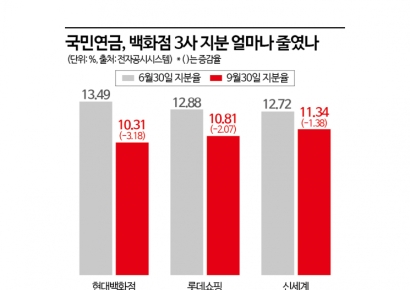 'Big Investor' NPS Has Already Cut Its Losses... Sold Department Store Stocks in Q3 Despite Strong Earnings Outlook
- "Female Teachers Must Wear Skirts in Class"... Outrage Erupts Over Principal's Demand: What's Happening in North Korea?
- "It's Hard to Breathe": Worst Wildfires Force School Closures... "15 Times the Size of Seoul Reduced to Ashes"
- "I Put in 10 Million Won, but Only 2 Million Won Is Left" ... 77% Plunge Leaves Retail Investors in Samsung Electronics and SK hynix Leveraged ETFs Crying Out
- "The leggings are all see-through. It's so embarrassing to look at," complaints prompt Lululemon to fire development staff.
Imrayedi, 63, who works as a motorcycle taxi driver in Pekanbaru on Sumatra Island, told the BBC: "The smoke makes me short of breath and gives me a headache, but I have no choice but to go outside to earn a living. The government needs to come up with measures as soon as possible."
© The Asia Business Daily. All rights reserved. Unauthorized AI training and use prohibited.