Apple CEO: "Memory Shortage Is an Absolute Crisis"... Signals Openness to Using Chinese-Made Chips
CEO Ternus: "We Need to Consider Every Option"
Former CEO Cook Also Seeks to Persuade the Government
Apple CEO John Ternus described the global shortage of memory semiconductors as an "absolute crisis" and left open the possibility of adopting Chinese-made chips. Although the U.S. government opposes the use of Chinese memory chips on national security grounds, Apple believes it should consider every option to ease the supply crunch.

In an interview with the U.S. news magazine Time published on Oct. 15 (local time), CEO Ternus said, "The constraints on memory supply are clearly a crisis," adding, "So our basic view is that we need to put every option on the table for consideration."
His remarks were a response to opposition from U.S. lawmakers to Apple's efforts to adopt products from Chinese memory chipmaker ChangXin Memory Technologies (CXMT). Time also interpreted Ternus's comments as a rebuttal to claims that using Chinese-made chips would threaten national security.
Memory chip demand has surged recently amid increased investment in artificial intelligence (AI) infrastructure, leading to a global supply shortage and rising prices. As chipmakers focus on producing high-value products for AI servers, supplies of commodity memory used in smartphones and personal computers (PCs) have also been disrupted.
Apple is pursuing the adoption of Chinese-made memory chips to diversify its supply chain. The Financial Times (FT) reported in July that Apple was testing CXMT's DRAM products for use in devices it would sell in China. However, no supply agreement has been confirmed, nor has Chinese-made memory been confirmed as having been used in commercial products.
U.S. Lawmakers Oppose Adoption of Chinese-Made Chips
U.S. lawmakers are strongly opposing the adoption of Chinese-made chips. The U.S. Department of Defense has placed CXMT on a list of companies it believes are linked to the Chinese People's Liberation Army, and members of Congress from both parties oppose Apple's plans to use Chinese-made memory.
U.S. senators have also conveyed to Apple their concerns that adopting Chinese-made memory could threaten U.S. national security. In response, Apple is also working to persuade the Trump Administration to approve its use of Chinese-made memory.
In the interview with Time, CEO Ternus said, "I've met with officials in the Trump Administration to make sure we're working together to solve the problem."
Apple Executive Chairman Tim Cook, who stepped down as CEO in September, is also supporting the use of Chinese-made memory. Cook is reportedly pursuing a plan to use Chinese-made memory only in devices sold in China.
Hot Picks Today
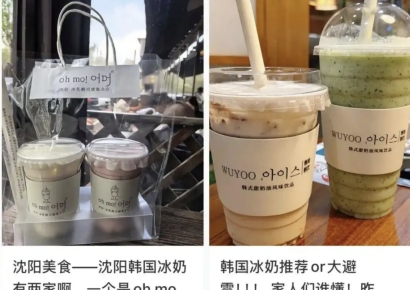 "There's a Drink Like This?"... Chinese Beverage With "Korean" in Its Name Rakes in 85 Million Won in Monthly Sales
- "Samsung Electronics at 70,000 won, SK hynix at 200,000 won"... Why the gloomy outlook despite 'record-breaking earnings'?
- Woman Found Collapsed Barefoot on Street, Leaving 3-Year-Old Child Unattended... Turns Out She's Part of a "Wealthy Royal Family"
- "I Put in 10 Million Won, but Only 2 Million Won Is Left" ... 77% Plunge Leaves Retail Investors in Samsung Electronics and SK hynix Leveraged ETFs Crying Out
- "The leggings are all see-through. It's so embarrassing to look at," complaints prompt Lululemon to fire development staff.
Meanwhile, Ternus succeeded Cook as Apple CEO on Sept. 1. He joined Apple in 2001 and has led its hardware engineering division, contributing to the development of major products such as the iPhone and iPad.
© The Asia Business Daily. All rights reserved. Unauthorized AI training and use prohibited.