ROK Air Force's 3rd Training Wing Conducts Mass-Casualty Response Exercise Ahead of Sacheon Airshow
Reviewed patient triage, first aid and evacuation procedures at a Zone B hangar on Oct. 14
Related agencies, including Sacheon City Hall and the fire station, participated and discussed coordination on emergency medical support
The Republic of Korea Air Force’s 3rd Training Wing conducted emergency medical response training ahead of the 2026 Sacheon Airshow, preparing for a mass-casualty incident at the event venue.
According to the 3rd Training Wing, on October 14, medical personnel from its Aviation Medical Squadron and medical support personnel from related agencies took part in a mass-casualty medical support exercise at a hangar in Zone B on the base.

[Photo provided by the Air Force's 3rd Training Flight Wing] Medical personnel from the wing's Aviation Medical Squadron and supporting agencies conduct an emergency medical response drill in a hangar in Area B on the base on the 14th, preparing for the 2026 Sacheon Airshow. The drill simulated a mass-casualty incident and covered triage, emergency treatment, and patient evacuation procedures.
View original imageThe exercise simulated a situation in which multiple people were injured at the airshow venue and was designed to assess medical personnel’s ability to respond at the scene, as well as patient triage, first aid, and evacuation procedures.
Medical personnel from the 3rd Training Wing’s Aviation Medical Squadron and medical support personnel from related agencies participated in the exercise. Officials from Sacheon City Hall and the Sacheon Fire Station observed the exercise and reviewed response procedures and areas for improvement.
The exercise simulated a scenario in which an explosion of unknown origin during the Sacheon Airshow caused multiple casualties at the venue.
After the situation was communicated, medical support personnel on standby at the scene assessed the injured according to the patient triage system and provided emergency treatment based on the severity of their injuries.
They then reviewed procedures for setting evacuation priorities and transporting patients, taking into account the severity of injuries and the urgency of treatment.
The exercise also included a scenario in which the situation was too difficult to manage with only the medical personnel and equipment at the scene, and participants practiced requesting additional emergency response personnel and ambulance support from the Medical Comprehensive Situation Center.
After the exercise, participating agencies held a coordination meeting to discuss areas for improvement identified during the exercise, patient evacuation routes, and support measures for each agency in the event of a mass-casualty incident.
The 3rd Training Wing said the exercise helped it review the on-site response procedures needed in an emergency at the venue and confirm medical support arrangements among the participating agencies.
Captain Shim Jonghyeon of the Aviation Medical Squadron, who was in charge of the exercise, said, "This exercise was an opportunity to assess our on-site response capabilities to help keep Sacheon Airshow visitors safe. We will continue to prepare so that visitors can enjoy the event safely."
Meanwhile, the 3rd Training Wing’s Aviation Medical Squadron has been conducting first-aid training and reviewing response manuals since October 6. It is also continuing preparations for event-related medical support, including influenza vaccinations.
Since the Sacheon Airshow features aircraft flights, exhibitions, and hands-on programs, it is important to ensure a medical support system is in place to respond to emergencies.
In particular, when multiple people are injured, coordination among the participating agencies is needed for initial patient triage, emergency treatment, and transport to medical institutions.
Hot Picks Today
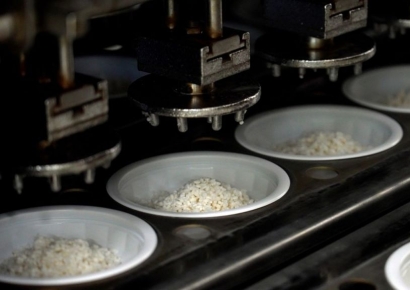 Selling Like Crazy Every Year... 30-Year-Old Hetbahn Takes on a New Challenge: Tastes Better Than "Mom's Home Cooking" [On-Site Report]
- A 12-Year-Old Girl Went to the Hospital After Her Blood Pressure Hit 225 and Was Stunned: "What Is This Coral Reef-Like Thing in Her Aorta?"
- "Hey, Lady, Teach Your Kids to Behave!" ... 300,000 Won in Cash and a Bodily Injury Claim Demanded Over Child's Door Ding
- "It's a shame only Koreans get to enjoy something this good" Foreigners fall for K-baseball [K-Holic]
- I Thought Only 'Old Guys' Ate It... Young People Are Hooked on This 'Unusual Food' at Risk of Disappearing? [Delicious Stories]
An important challenge will be ensuring that the evacuation routes and procedures for requesting additional medical support reviewed in this exercise are adequately incorporated into the actual event operations plan.
© The Asia Business Daily. All rights reserved. Unauthorized AI training and use prohibited.