[2026 Parliamentary Audit] 1 Million-Won Tents, 500,000-Won Fishing Rods... Controversy Over Use of "Vacation Subsidies"
High-priced leisure goods sold on Worker Vacation Support Program’s Hugashop flagged at parliamentary audit
Government, employers and workers contribute to a 400,000-won fund to promote domestic travel
Resale of purchased items on secondhand market
It has emerged that the worker vacation subsidy supported by the government to promote domestic travel can be used to purchase high-priced leisure goods, including a tent worth 1 million won and a fishing rod costing 500,000 won. As concerns have been raised that some people resell purchased items on the secondhand market, the appropriateness of the subsidy’s permitted uses and its post-disbursement oversight system came under scrutiny at a parliamentary audit.

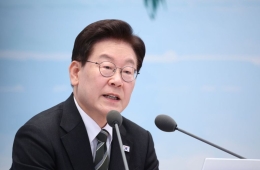
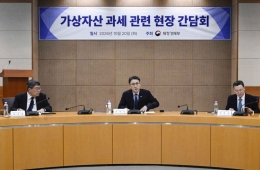
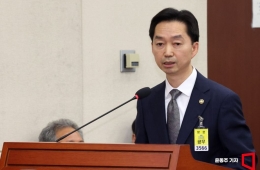
At a parliamentary audit of the Korea Tourism Organization by the National Assembly’s Culture, Sports and Tourism Committee on October 14, Kim Seokgi of the People Power Party said high-priced camping and fishing gear was being sold through Huga Shop, the dedicated online mall for the Worker Vacation Support Program, and called for its product range to be revised in line with the program’s purpose.
The Worker Vacation Support Program is a scheme under which the government and employers cover part of the travel expenses of employees at small and medium-sized enterprises and small businesses so they can take domestic trips. When an employee contributes 200,000 won, the employer and the government each add 100,000 won, bringing the total travel fund to 400,000 won. For some medium-sized businesses and mid-sized companies that have participated in the program for an extended period, a separate contribution ratio applies: 50,000 won from the government and 150,000 won from the employer.
The accumulated funds can be used at Huga Shop, the dedicated online mall operated by the Korea Tourism Organization. They can be spent on accommodation such as hotels and pensions, transportation, domestic travel packages, admission tickets to tourist attractions, and experiential and leisure products.
The issue is that ordinary leisure goods, as well as actual travel services, are eligible for sale. Huga Shop’s product guide on the Korea Tourism Organization’s official website lists “camping and leisure goods” as a separate category and specifies hiking, camping, and fishing gear among the items on sale.
Kim cited examples of a tent worth 1 million won and fishing rods costing 500,000 won being sold on Huga Shop. The concern is that funds set aside to support travel expenses can also be used to buy high-priced ordinary goods, potentially undermining the program’s original policy objective.
Kim also alleged that some items purchased through Huga Shop are resold on the secondhand market. This raises concerns that funds provided on the understanding that they would be used for travel could effectively be converted into cash through the purchase and resale of goods. The actual scale of resales and the amount confirmed as having been misused have not been disclosed.
Camping and fishing gear can be used during domestic trips, so it is difficult to conclude that such goods are unrelated to travel. However, unlike services such as accommodation, transportation, and admission to tourist attractions, which involve an actual visit and use, physical goods are difficult to track after purchase, making it hard to verify whether they were used for domestic travel.
It is also noteworthy that camping and leisure goods are formally included among the items for sale in the Korea Tourism Organization’s official product guide. This raises the need to review not only the product listings of individual vendors but also whether the scope of goods permitted by the organization and its standards for managing partner companies are appropriate.
In response, Park Seonghyeok, president of the Korea Tourism Organization, said the organization would examine the impact of the items on local economies and develop ways to improve the program.
“We will carefully assess whether purchasing these goods actually has a ripple effect on the local economy, make any necessary improvements, and proceed accordingly,” Park said.
The Worker Vacation Support Program was piloted in 2014 and fully launched in 2018. According to figures released by the Korea Tourism Organization in January this year, a cumulative 790,000 workers and 83,000 companies have participated in the program, and travel spending generated through it has reached 283 billion won.
Hot Picks Today
 "300,000 Won Grant" Shelved at Chuseok to Go to All Residents After All... This City Says It Will Pay Before Lunar New Year
- "Didn't Save This Money to Leave to Our Kids?"... Retired Couples Spend $10,000 on a Single Trip
- "Make $10 Million by Flipping It Right After Delivery?"... The Market Drawing the World's Ultra-Rich in ‘This Market’
- Friend Who Went Abroad Goes "Silent"... 617 South Koreans Out of Contact, What's Going On?
- "Stockpile 9 Liters of Bottled Water and Three Days' Worth of Food"... UK on Edge as Nationwide Emergency Preparedness Alert Issued
The concerns raised at this parliamentary audit are also directly tied to whether the performance of a travel subsidy program can be assessed solely by the amount of funds spent or the sales of products. Calls have continued for an oversight system that can verify whether purchased goods were actually used for domestic travel and how much spending they generated on local accommodation, transportation, and tourism.
© The Asia Business Daily. All rights reserved. Unauthorized AI training and use prohibited.