[2026 Parliamentary Audit] KRW 300 Billion Drone Complex Halted Six Days After Research Contract; KASA Also Sees Staff Exodus
Study halted and contract re-awarded after project site could not be secured; last year's budget execution rate was 48%
17 fixed-term civil servants left before completing their terms, including 12 this year; no analysis of reasons for departure was conducted
A project to build a drone-focused complex with a budget of KRW 300 billion was halted over difficulties securing a site just six days after a research contract was signed, a parliamentary audit has revealed. The Korea Aerospace Administration (KASA) is working to revive the project, but its budget execution rate for related funds last year was less than half. It was also confirmed that 17 fixed-term civil servants had left before completing their terms, despite the agency having introduced special hiring and compensation arrangements to recruit experts.
At a parliamentary audit of KASA by the National Assembly's Science, ICT, Broadcasting and Communications Committee on the 13th, lawmakers raised successive concerns about inadequate preliminary review of a project to develop the drone industry and the agency's management of expert personnel.

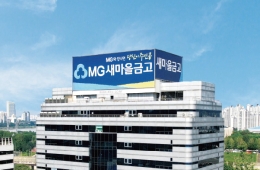
Exterior view of the Korea Aerospace Administration (KASA). The Asia Business Daily archive.
View original imageAccording to materials released that day, KASA spent only KRW 96 million of the KRW 200 million allocated last year for its KRW 300 billion drone-focused complex project. The execution rate was just 48%.
The agency signed a research contract for the project on May 28 last year, but halted it just six days later after determining that it would be difficult to secure the proposed site. The original plan was to use approximately 119,000 square meters of land at Changwon Prison in Gyeongsangnam-do, but critics said the agency commissioned the research before adequately confirming whether the site could be secured.
Lawmakers also pointed out that Changwon City had not prepared an official project plan or a report assessing the site's suitability, and that proper prior consultations had not been held with the Ministry of Justice, which oversees the prison. KASA terminated the original research contract and selected a new contractor in February this year to restart the study. It is also reassessing potential sites nationwide.
Korea Aerospace Administration Commissioner Tae seog Oh responded to criticism that the project had been mishandled, saying, "We will correct those issues and make thorough preparations in advance to ensure they do not happen again."
The departure of expert personnel also came under scrutiny. Since KASA was established, 17 fixed-term civil servants have left before completing their terms, including 12 who departed this year. Sixteen of them, including two senior civil servants, had worked at the agency for less than two years. Departures also occurred in key areas of work, including launch vehicles and satellites.
KASA told the National Assembly that although it operates appointment and compensation exceptions that differ from those of other government agencies to recruit experts, it has never analyzed the causes of early departures at the institutional level.
Commissioner Oh said the agency had tracked where former employees went to work, adding, "There are personal reasons as well, but because their terms are limited to three or five years, I understand that many move to private companies when they receive offers of permanent positions or other better opportunities."
At the audit, lawmakers called for the agency to directly survey former and current employees and review working conditions, compensation and job security. Commissioner Oh said KASA would analyze the reasons for departures and develop measures to improve the situation.
Lawmakers also pointed out that only three staff members are dedicated to supporting the National Space Committee, and that 11 of its 12 resolutions were handled without the attendance of government committee members at ministerial level. Commissioner Oh acknowledged that the committee's support organization and standing were weak, and said KASA was discussing the establishment of a permanent secretariat and changes to the vice-chair system with relevant ministries.
Hot Picks Today
 "Expensive, Smelly and Scary"... What's Happened to the "Honeymooners' Paradise" Tourists Have Abandoned?
- Women Who Say "A Husband's Annual Salary of 100 Million Won Is a Given"... Matchmaking CEO: "They Talk About It Like It's Nothing"
- "I Want to Eat Like Koreans..." Foreigners Who Once Opened Ramen Packs Now Keep Gochujang in Their Pantries
- Financial Services Commission's Move to Sejong Shifts F4's Center of Gravity... Will the Ministry of Economy and Finance Gain More Sway Over Economic Policy?
- "They Said Today Was the Cheapest..." "Let's Get Wedding Jewelry!" Why Did the Luxury Brand Crowds Flocked To Cut Prices by 1.08 Million Won?
Concerns were also raised about KASA's special compensation arrangements for fixed-term civil servants. A fixed-term Grade 7 employee in the Public Relations Office earns an annual salary of about KRW 60 million, higher than the average compensation of regular Grade 7 civil servants, but critics said the employee's performance plan did not adequately reflect their actual duties. Commissioner Oh said, "I believe the performance plan was poorly prepared," and stated that the agency would conduct a comprehensive review.
© The Asia Business Daily. All rights reserved. Unauthorized AI training and use prohibited.