Gyeonggi Province’s Second Supplementary Budget This Year, Worth KRW 42.2053 Trillion, Passes Provincial Council: “We Protected Livelihood Programs”
Gyeonggi Province’s second supplementary budget for 2026 passed the plenary session of the Gyeonggi Provincial Council on October 12. The budget totals KRW 42.2053 trillion. It focuses on responding to declining local tax revenue while continuing essential livelihood programs, including long-term care benefits for older adults and school meal costs.
The supplementary budget increased by KRW 525.4 billion from the first supplementary budget of KRW 41.6799 trillion. The general account was increased by KRW 275.1 billion, and the special accounts by KRW 250.3 billion.
Gyeonggi Province adjusted funding for some programs after assessing whether they could be implemented within the year and how urgently they were needed. The funds secured through these adjustments were allocated to statutory expenses, support for vulnerable groups, and essential public health and medical programs.
Major livelihood programs include ▲KRW 123.4 billion for long-term care facility and home-care benefits for older adults ▲KRW 58.4 billion to support meal costs for kindergartens, elementary, middle, and high schools under the provincial education office ▲KRW 21.5 billion for the Agricultural and Fisheries Opportunity Income program ▲KRW 16.3 billion for Youth Basic Income ▲KRW 7.5 billion for meals for children at risk of going hungry. The annual funding needs for these programs were not fully included in the main budget. The province added funding for the three months that were not covered, focusing on programs for which only nine months of funding had been included in the main budget, to ensure there would be no interruption in support through the end of the year.
The province also secured funding for vulnerable groups and essential welfare and medical programs, including ▲KRW 22.3 billion for fertility treatment for couples struggling with infertility ▲KRW 11.5 billion for maternal and newborn health care ▲KRW 3 billion for activity support benefits for people with disabilities ▲KRW 38.9 billion for medical benefits ▲KRW 600 million for national immunizations.

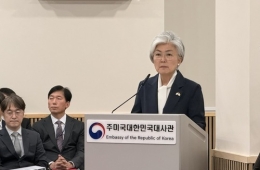
Gyeonggi Province Governor Choo Miae speaks at the first plenary session of the Gyeonggi Provincial Council's extraordinary session on the 12th. Photo provided by Gyeonggi Province.
View original imageDuring the council’s review, funding for 17 provincial projects was increased by an additional KRW 21.6 billion. The necessary funds were secured by reducing the reserve fund. Major increases included ▲KRW 3.1 billion for operating support for the Gyeonggi Province Market and Commercial District Promotion Agency ▲KRW 3.6 billion for postpartum care in Gyeonggi Province ▲KRW 2.7 billion for childcare budgets, including improvements to childcare teachers’ working conditions (five projects) ▲KRW 2.4 billion for operating support for mobility support centers ▲KRW 1.9 billion for operating unmanned enforcement equipment ▲KRW 1.9 billion for universal provision of menstrual products for female adolescents ▲KRW 1.5 billion for supplying healthy fruit to children ▲KRW 1.4 billion to improve working conditions for corporate taxi drivers ▲KRW 1 billion to subsidize taxi card payment fees ▲KRW 800 million in contributions to the Gyeonggi Province Agricultural and Fisheries Promotion Agency ▲KRW 800 million for support for regional cooperation research centers (two projects) ▲KRW 500 million in transfers to the Labor Welfare Fund.
Gyeonggi Province Governor Choo Mi-ae attended the first plenary session of the 394th Gyeonggi Provincial Council that day and emphasized, “We protected the livelihood budget despite difficult fiscal conditions.”
Governor Choo said, “With revenue declining and the fiscal burden growing, we had to protect livelihood programs that were at immediate risk of being suspended. The provincial government and the council worked together to preserve as much of the essential livelihood budget as possible, and secured funding by drawing on the reserve fund as well.” She added, “This is a valuable agreement reached through mutual understanding between the executive branch and the council, and by joining forces for the residents of the province.”
Governor Choo also voiced concern about the fiscal outlook for next year. “We have put out the immediate fire, but next year is the problem,” she said. “With no available funds, the fiscal situation next year will be extremely serious.” She added, “It is very meaningful that the council recognized the severity of the fiscal crisis and agreed to work together on reforming the local tax system to establish a stable revenue structure.”
At the plenary session that day, the council also passed a resolution calling for reform of the local tax system to overcome Gyeonggi Province’s fiscal crisis and establish a stable revenue structure. The resolution concluded that the province was facing a fiscal crisis because its revenue structure was overly reliant on acquisition taxes while essential fiscal needs continued to grow.
Hot Picks Today
!["After Replacing Beds With Operating Tables..." Big Spenders Who Poured in KRW 1.7 Trillion Reshape Gangnam's Hotel Landscape [Real Estate A to Z]](https://cwcontent.asiae.co.kr/asiaresize/93/2025031212034164736_1741748621.jpg) "After Replacing Beds With Operating Tables..." Big Spenders Who Poured in KRW 1.7 Trillion Reshape Gangnam's Hotel Landscape [Real Estate A to Z]
"After Replacing Beds With Operating Tables..." Big Spenders Who Poured in KRW 1.7 Trillion Reshape Gangnam's Hotel Landscape [Real Estate A to Z]
- Chey Tae-won's One Remark Sends Stocks Soaring to 'Limit-Up'... This Stock Jumps Despite SK hynix's 3% Drop
- Kang Kyungwha: "No Concrete Progress Yet on North Korea-U.S. Summit... Limits to Communication with Senior White House Officials"
- "'100% Cat Fur' - It Seemed Unbelievable, but It Was Real... Chinese Shopping Mall Rocked by Shocking Revelation"
- "Called out while eating barbecue, 30,000 went wild"... Unknown singer who held the stage for two hours saw his life turn around
The resolution put forward three specific proposals: ▲gradually raising the local consumption tax rate from the current 25.3% to 40.3% ▲transferring 5% of the national portion of corporate income tax to metropolitan local governments ▲converting the local education tax on tobacco consumption into the regional resource facilities tax for firefighting.
© The Asia Business Daily. All rights reserved. Unauthorized AI training and use prohibited.